
Have you ever stood in your yard, hose in hand, wondering why your lawn still looks tired and patchy even after watering it? In places like Dade City, where heat and humidity can play tricks on your grass, this is a common frustration. Lawns don’t just need water; they need the right kind of care. Understanding what’s going wrong is the first step toward fixing it.
When Water Isn’t the Whole Story
A struggling lawn often feels like a simple math problem: dry grass equals more water. Yet that logic falls apart quickly, especially as climate patterns shift and water use becomes a growing concern across the U.S. Over watering can be just as harmful as under watering, leading to shallow roots and fungal growth.
Instead of guessing, take a closer look at your soil and grass type. Sandy soil drains quickly, while clay holds water longer. Knowing what you’re working with helps you adjust your watering schedule so your lawn gets what it needs without waste.
Checking Your Irrigation System
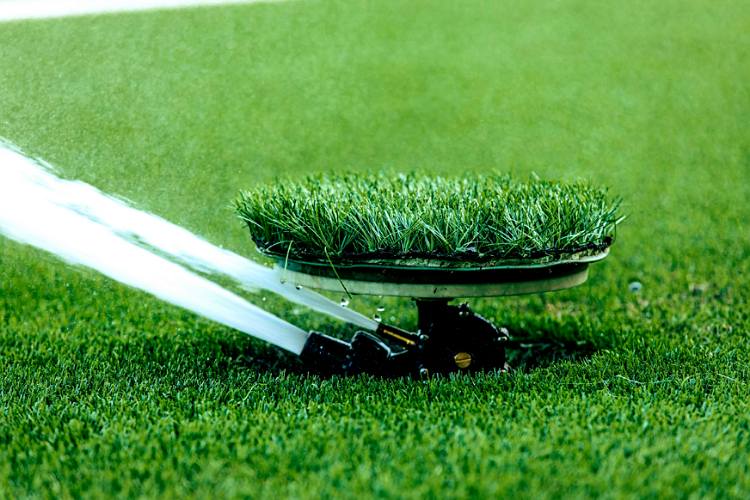
A faulty sprinkler system can quietly sabotage your lawn, even if you think you’re doing everything right. Sprinkler heads can clog, leak, or miss sections entirely, leaving dry patches that worsen over time. In regions like Dade City, where irrigation is essential, regular system checks are not optional but necessary.
If you notice uneven watering, it might be time to consider professional help. For more information, visit https://sunriseirrigation.com/service-area/sprinkler-repair-dade-city/. Fixing these problems early prevents long-term damage and keeps your lawn healthier with less effort.
Timing Matters More Than You Think
Watering at the wrong time of day can undo your best efforts. Early morning is ideal because temperatures are lower and evaporation is minimal. Evening watering, while convenient, can leave grass damp overnight, inviting disease.
This becomes even more relevant as many cities now promote water conservation schedules due to drought concerns. Following local guidelines not only saves water but also aligns your routine with conditions that help your lawn absorb moisture more effectively.
Signs Your Lawn Is Thirsty
Grass has its own way of asking for help, though it does so quietly. If footprints remain visible after you walk across the lawn, or if the blades turn a dull bluish-gray, your grass is likely stressed. Dry soil that feels hard to the touch is another clear signal.
Ignoring these signs can lead to permanent damage, especially during prolonged heat waves that have become more frequent in recent years. Paying attention early allows you to adjust before your lawn reaches a point where recovery becomes difficult.
Soil Health Is the Hidden Factor
Healthy soil acts like a reservoir, holding water long enough for roots to absorb it. Poor soil, on the other hand, lets water run off or evaporate too quickly. Adding organic matter, such as compost, improves soil structure and water retention.
Aeration is another simple but effective step. By creating small holes in the soil, you allow water, air, and nutrients to reach deeper roots. This process is especially helpful in compacted lawns, which are common in suburban areas with heavy foot traffic.
Grass Type Makes a Difference
Not all grass is created equal, and treating every lawn the same way often leads to disappointment. Warm-season grasses like St. Augustine or Bermuda, common in Florida, have different watering needs than cool-season varieties found further north.
Choosing the right grass for your climate can reduce water demands significantly. As water restrictions become more common nationwide, many homeowners are rethinking traditional lawns and opting for drought-resistant varieties that require less maintenance without sacrificing appearance.
The Role of Technology in Lawn Care
Smart irrigation systems are becoming more popular, and for good reason. These systems adjust watering schedules based on weather forecasts, soil moisture levels, and even seasonal changes. They take the guesswork out of lawn care while helping conserve water.
This shift reflects a broader trend toward sustainability, where even small household choices contribute to larger environmental goals. Investing in such technology may seem excessive at first, but it often pays off in lower water bills and healthier lawns over time.
Adjusting for Seasonal Shifts
Weather patterns are becoming less predictable, and your lawn feels those changes first. A watering routine that worked in spring might fail in the peak of summer or during an unexpected dry spell. Instead of sticking to a fixed schedule, adjust based on temperature, rainfall, and humidity levels in your area.
During hotter months, lawns often need deeper, less frequent watering to encourage strong root growth. In cooler periods, scaling back prevents waterlogging and disease. Paying attention to seasonal shifts helps you stay ahead, rather than reacting too late when damage is already visible and harder to reverse.
Avoiding Common Watering Mistakes
Many homeowners unintentionally harm their lawns by following outdated advice or copying neighbors without understanding their own yard’s needs. Watering too often, for example, keeps roots near the surface, making grass more vulnerable to heat stress. On the other hand, inconsistent watering can shock the lawn and slow growth.
Another common mistake is ignoring runoff, where water flows away instead of soaking in. This often happens on slopes or compacted soil. Breaking watering into shorter cycles allows better absorption. Small changes like these can make a noticeable difference without requiring major effort or expense.
Practical Steps to Fix the Problem
Start by observing your lawn closely and identifying patterns. Check for dry spots, inspect your irrigation system, and test your soil. Adjust your watering schedule to early mornings and ensure you’re applying about one inch of water per week, including rainfall.
If problems persist, consider deeper solutions like aeration, soil improvement, or professional inspection. Lawn care is rarely about one quick fix; it’s about consistent, informed adjustments that respond to both your yard’s needs and the changing environment around you.

