
Modern commercial architecture has changed significantly over the last decade. Clean lines, open layouts, and functional simplicity now define everything from office buildings and shopping centres to hotels and restaurants. Designers increasingly focus on creating spaces that feel modern, efficient, and visually uncluttered. As a result, even technical infrastructure elements are expected to blend seamlessly into the environment rather than stand out.
One example of this trend is the growing use of slot drains in commercial construction projects. Unlike traditional drainage systems with visible grates and bulky covers, these systems provide discreet water management while supporting minimalist architectural aesthetics. Their slim profile and streamlined appearance make them especially popular in spaces where both functionality and visual consistency matter.
Why Minimalism Matters in Commercial Design
Minimalism is no longer only a design preference. In many industries, it has become part of how businesses present their brand identity and improve user experience.
Modern commercial spaces often aim to create environments that feel:
- Open
- Organized
- Easy to navigate
- Calm and professional
- Visually clean
Bulky infrastructure elements can interrupt these goals. Traditional drainage systems, while effective, may appear industrial or outdated in modern interiors and outdoor spaces.
Architects and developers now pay closer attention to how every component fits into the overall design language of a building. Drainage systems are no exception.
The Evolution of Commercial Drainage Systems
Drainage infrastructure used to focus almost entirely on performance. The primary objective was to move water away from surfaces as efficiently as possible.
While performance remains critical, expectations have expanded. Commercial drainage systems today must also support:
- Architectural aesthetics
- Accessibility
- Hygiene standards
- Safety regulations
- Long-term maintenance efficiency
This shift has encouraged the development of drainage systems that are both practical and visually discreet.
Minimalist drainage solutions are now commonly integrated into:
- Retail centres
- Luxury hotels
- Office complexes
- Airports
- Restaurants
- Public plazas
- Healthcare facilities
- Mixed-use developments
What Makes Drainage “Minimalist”?
Minimalist drainage design focuses on reducing visual disruption while maintaining high functionality.
Several characteristics define these systems:
- Narrow visible openings
- Hidden channels
- Continuous linear design
- Smooth integration into the flooring
- Reduced visual clutter
- Simplified maintenance access
Instead of becoming a noticeable feature, the drainage system blends into the surrounding architecture.
This approach works particularly well in projects where flooring materials, lighting, and spatial continuity play an important role in the overall design concept.
Slot Drains and Linear Drainage Systems
Slot drains have become one of the most recognizable examples of minimalist drainage technology.
Slim Visual Profile
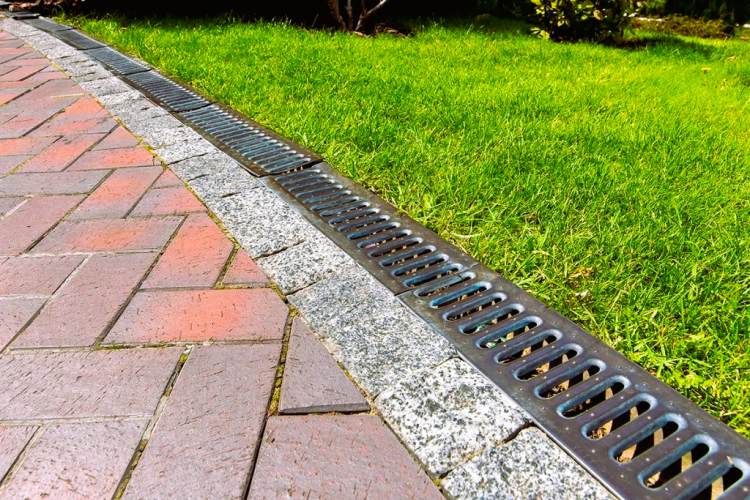
Unlike traditional trench drains with exposed grates, slot drains use narrow openings that are far less visible. This creates a cleaner appearance across floors and outdoor surfaces.
Architects often prefer these systems because they allow uninterrupted visual flow across large areas.
Flexible Integration
Linear drainage systems can be installed in many environments:
- Indoor commercial flooring
- Outdoor walkways
- Parking structures
- Pool decks
- Restaurant kitchens
- Loading areas
- Rooftop terraces
Their flexibility allows designers to maintain consistent aesthetics throughout an entire property.
Improved Accessibility
Traditional drainage grates can sometimes create uneven walking surfaces or obstacles for wheelchairs, carts, and high heels.
Minimalist drainage systems often improve accessibility by creating smoother transitions between surfaces.
Hygiene and Maintenance Benefits
Minimalist drainage is not only about appearance. Many modern systems also improve hygiene and simplify cleaning procedures.
Easier Cleaning
Linear drainage systems often reduce areas where debris can collect. Smooth channel designs help improve water flow and reduce stagnant buildup.
This is especially important in:
- Commercial kitchens
- Food processing areas
- Healthcare facilities
- Public washrooms
- Hospitality spaces
Reduced Water Accumulation
Standing water creates both hygiene and safety risks. Properly designed minimalist drainage systems help direct water more efficiently while maintaining flat and visually clean surfaces.
Lower Maintenance Requirements
Modern materials used in many minimalist systems are resistant to corrosion, staining, and chemical exposure. This can reduce long-term maintenance costs and improve durability.
Materials Used in Modern Drainage Design
The rise of minimalist drainage has also encouraged the use of modern engineered materials.
Stainless Steel
Stainless steel remains a popular option because of its:
- Corrosion resistance
- Modern appearance
- Strength
- Hygienic properties
It is widely used in commercial interiors where visible drainage elements still need a polished and professional look.
Polymer Concrete
Polymer concrete combines aggregates with polymer resins to create lightweight yet durable drainage channels.
Compared to traditional concrete, polymer concrete often provides:
- Better chemical resistance
- Lower water absorption
- Reduced cracking risk
- Easier handling during installation
High-Performance Polymers
Some drainage systems now use advanced polymers that combine durability with reduced weight. These materials can improve installation efficiency while supporting modern architectural requirements.
Minimalist Drainage in Outdoor Commercial Spaces
Minimalist drainage is increasingly used outdoors as well as indoors.
Public spaces now emphasize visual consistency and pedestrian-friendly design. Large exposed grates can interrupt the appearance of plazas, courtyards, and walkways.
Linear drainage systems help manage stormwater while preserving clean surface lines.
Urban Plazas and Pedestrian Areas
Modern public developments often prioritize open and flexible outdoor spaces. Minimalist drainage supports this by reducing visual distractions.
These systems also work well with contemporary paving materials and landscaping designs.
Rooftop and Terrace Applications
Commercial rooftop spaces have become more common in hotels, offices, and residential towers.
Drainage systems in these areas must handle water efficiently without affecting the atmosphere of the space. Minimalist designs help maintain the clean and modern appearance expected in rooftop environments.
Sustainability and Water Management
Sustainability has become an important factor in commercial construction.
Modern drainage systems contribute to environmental goals in several ways:
- Improving stormwater management
- Supporting water flow efficiency
- Reducing material waste
- Extending infrastructure lifespan
- Lowering maintenance-related resource consumption
Some systems are also designed to work alongside permeable surfaces and sustainable urban drainage strategies.
As cities face more frequent heavy rainfall events, efficient water management becomes increasingly important for both environmental and operational reasons.
Challenges in Minimalist Drainage Design
Despite their advantages, minimalist drainage systems require careful planning.
Precise Installation
Because these systems are visually integrated into finished surfaces, installation quality is extremely important. Improper alignment or grading can affect both appearance and performance.
Load Requirements
Commercial environments vary significantly in traffic demands. Drainage systems used in pedestrian areas may differ greatly from those needed in loading zones or parking structures.
Designers must carefully match system specifications to actual site conditions.
Long-Term Accessibility
Hidden or low-profile systems still require access for cleaning and inspection. Good design balances visual simplicity with practical maintenance needs.
The Influence of Modern Architecture
Architectural trends continue shaping drainage design. As buildings become more streamlined and visually simplified, infrastructure components increasingly follow the same direction.
Developers today often want every visible element of a space to contribute to a unified design language. Drainage systems that once received little aesthetic consideration are now integrated into the architectural planning process from the beginning.
This trend reflects a broader shift in commercial construction where functionality and design are expected to work together rather than compete with one another.
Looking Ahead
Minimalist drainage systems will likely become even more common as commercial architecture continues evolving toward cleaner and more flexible spaces. Advances in materials, manufacturing, and installation techniques are making these systems more efficient and adaptable for different environments.
At the same time, growing attention to sustainability, accessibility, and long-term operational efficiency will continue influencing drainage design decisions across commercial projects.
Modern infrastructure is no longer judged only by technical performance. Visual integration, durability, and user experience now play equally important roles in successful commercial developments. Companies and developers seeking modern water management systems are increasingly exploring solutions similar to those offered by Vodaland, as minimalist drainage has become a standard feature in contemporary commercial design.

