
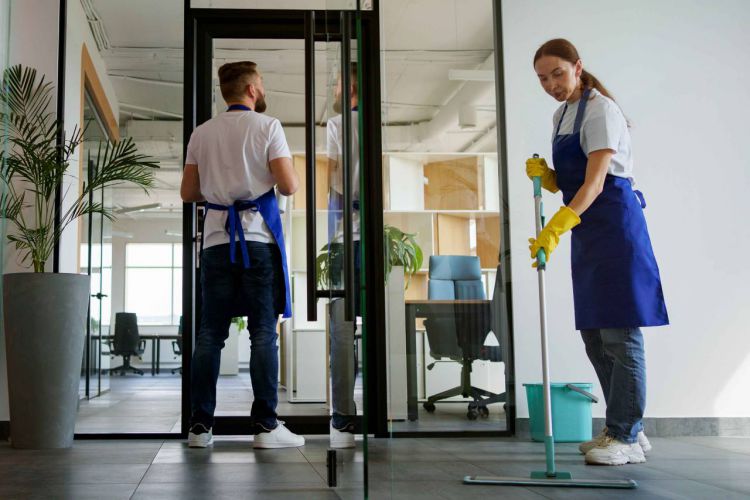
Across Melbourne, many businesses feel confident about their cleaning routines. Floors are vacuumed, bins are emptied, and bathrooms look fine during the day. On the surface, everything seems under control. This is why many owners assume their current approach, or even basic cleaning solutions in Melbourne, are doing the job.
Over time, though, a different picture tends to emerge. Hygiene problems rarely show themselves early. They build slowly in places that are used constantly but only lightly cleaned. By the time someone notices, the issue has usually been there for a while.
This is where many businesses begin to struggle. Not because they do not care, but because daily cleaning alone is not designed to handle deeper hygiene demands.
Why Surface Cleaning Only Goes So Far
Most workplaces rely on routine cleaning that focuses on what people can see. That helps with presentation, which matters, but it does not deal with what settles underneath.
Over time:
- Dust collects in carpets
- Grime works its way into flooring
- Bacteria builds up on fabrics and shared equipment
In different environments:
- In offices, chairs and keyboards are touched all day but rarely cleaned properly
- Retail spaces focus on customer areas while stockrooms slowly deteriorate
- Schools and childcare centres deal with constant contact, yet time pressures limit how deep cleaning can go
- In medical settings, looking clean is never enough on its own
At first, everything still looks fine. Gradually, the space becomes harder to keep fresh, even with regular effort.
How High Traffic Areas Wear Down Faster Than Expected
Some areas wear out faster than most businesses notice. Entryways, corridors, lifts, kitchens, and bathrooms see the most foot traffic and hand contact. Dirt gets tracked in every day, moisture lingers, and protective finishes start to wear down.
Early on, routine cleaning seems to keep the space under control. But after a few months, problems start to show. Floors look worn, odours stick around, and surfaces never feel truly fresh no matter how often they are wiped. These changes are easy to miss until someone complains or a safety concern appears.
Shared Surfaces Are Often the Hidden Problem
Shared touch points cause more hygiene issues than most people expect.
Common examples include:
- Door handles
- Light switches
- Kitchen benches
- Meeting tables
- Bathroom fittings
In many workplaces:
These areas are cleaned quickly Or skipped altogether when time runs short
This often leads to illness spreading quietly through teams.
The pattern usually looks like this:
- Absences increase
- Productivity dips
- Morale drops
It is usually blamed on seasonal bugs, but surface hygiene plays a much bigger role than many realise.
Professional contract cleaning treats these shared areas as priorities, not afterthoughts.
How Hygiene Issues Affect Daily Operations
Poor hygiene does not just affect cleanliness. It affects how a business runs. When cleaning is reactive instead of planned, small issues start to create daily friction.
Staff feel run down more often. Complaints stay unspoken but linger. Floors and fittings wear out sooner than expected. Audits and inspections become stressful instead of routine.
Over time, these problems cost more than most businesses expect, both financially and emotionally.
Why Compliance Becomes Harder Without a Clear System
Health and safety standards focus on processes, not appearances. Many Melbourne businesses struggle during audits because they cannot show consistent schedules or clear records of what has been cleaned and when.
Contract cleaning provides that structure. Tasks are planned, documented, and carried out consistently. When inspections happen, there is less scrambling and far less risk.
Why Scheduled Contract Cleaning Works Better
Professional contract cleaning works because it follows a system. Tasks are done at the right frequency, using the right methods and equipment. The focus shifts from reacting to problems to preventing them.
This approach supports deeper floor care before damage sets in, proper disinfection of shared surfaces, thorough bathroom cleaning, better air quality, and early identification of hygiene risks.
Businesses that move to structured cleaning often notice fewer disruptions and lower long term maintenance costs. The workplace simply feels easier to manage.
Different Spaces Need Different Cleaning Approaches
One mistake many businesses make is assuming one routine suits every space. It rarely does.
Offices benefit from regular surface sanitation and attention to air quality. Retail spaces need extra focus on entry points and flooring. Schools require frequent disinfection along with deeper periodic cleaning. Medical facilities depend on strict procedures and detailed records.
Hygiene improves when cleaning plans are built around how a space is actually used, not applied uniformly.
The Long Term Cost of Skipping Professional Cleaning
Avoiding professional cleaning can look like a saving at first.
Over time, it often leads to:
- Higher sick leave
- Faster wear on surfaces
- Compliance risks
- Lower staff satisfaction
Most businesses do not struggle with hygiene because they do not care.
They struggle because they underestimate how much consistency and depth really matter.
Conclusion
Across Melbourne workplaces, the pattern stays the same. Businesses relying only on basic daily cleaning tend to see hygiene slip gradually. Those that invest in structured contract cleaning maintain healthier, more functional spaces.
Cleanliness is not just about what looks tidy at a glance. It shows up in the air people breathe, the surfaces they touch, and how comfortable they feel throughout the day. Professional contract cleaning supports all of that in a way routine cleaning simply cannot.

