
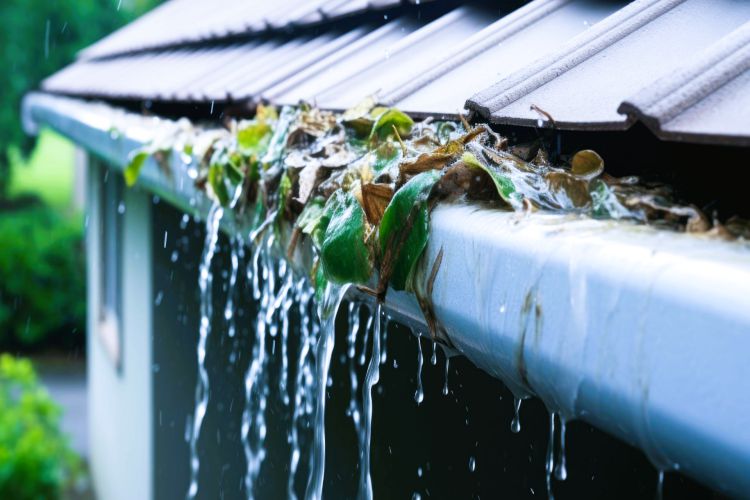
Gutters are one of those parts of a home that earn the highest return on the smallest amount of attention. A few hours of inspection and minor maintenance twice a year prevents the kind of problems that cost thousands when ignored. Yet gutter issues are some of the most common reasons homeowners end up calling exterior contractors, often because a small problem was allowed to grow into a big one.
The good news is that almost every serious gutter problem starts with warning signs that are visible from the ground or from a stepladder. Knowing what to look for and making seasonal inspection part of the routine catches issues when they are still inexpensive to fix. Here are the most common problems in Southern Ontario homes, what causes them, and what to watch for.
If your existing system has gone past inspection and into needing replacement, professional eavestrough installation London Ontario homeowners can rely on makes a real difference in how long the next system lasts. Seamless gutters, properly sized for the roof area, with downspouts placed and discharged correctly, perform dramatically better than budget installations. The cost difference is small compared to the years of performance gained.
Why this matters
Gutters do more than collect rainwater. Properly functioning gutters reduce basement moisture issues by 76 percent and prevent average repair costs exceeding $8,000, according to the American Society of Home Inspectors. They are the first line of defense in your home’s water management system, and when they fail, the consequences extend well beyond the gutters themselves: damaged fascia, eroded landscaping, foundation issues, and basement leaks all trace back to gutters that stopped doing their job.
Problem 1: clogging from leaves and debris
This is the most common gutter problem on any home with nearby trees. Leaves, twigs, seeds, and shingle grit accumulate over the year. Once clogs form, water cannot reach the downspouts and overflows the gutter edges. The overflow problems show up immediately: water cascading down the siding, eroded soil at the foundation, splashed dirt staining lower walls, and ice dams in winter.
Warning signs: visible debris in gutters, water spilling over the sides during rain, streaks on siding below the gutters, plants or moss growing in the gutters.
The fix: thorough cleaning at least twice a year, typically in late spring (after seeds and tree pollen) and late fall (after leaves are down). Properties with heavy tree cover need more frequent attention, sometimes quarterly. Gutter guards reduce but do not eliminate the need for cleaning.
Problem 2: improper slope and pitch
Gutters need a slight slope toward downspouts so water flows where it should. Over time, gutters can lose their pitch as hangers loosen, fascia warps, or freeze-thaw cycles shift the system. Once the slope is wrong, water pools in low spots, accelerates corrosion, and increases the load that eventually causes more serious damage.
Warning signs: standing water in gutters days after rain, sagging visible from the ground, hangers pulling away from the fascia, water flowing past downspouts rather than into them.
The fix: re-securing hangers, replacing failed hangers, and in some cases re-pitching whole runs. Severely failed runs sometimes need full replacement. This is a job where professional assessment matters because the underlying cause (loose fasteners, damaged fascia, or fundamentally inadequate hangers) needs to be addressed, not just the symptom.
Problem 3: downspouts discharging too close to the foundation
A surprising number of gutter problems are not really gutter problems. They are downspout placement problems. If a downspout discharges water within two or three feet of the foundation, all the water collected from the roof concentrates exactly where you do not want it: against the basement wall. The result is the foundation moisture issue, basement leak, or eroded landscaping that the gutters were supposed to prevent.
Warning signs: water pooling near the foundation after rain, soft soil along the foundation line, basement moisture or leaks, downspouts ending at concrete pads next to the house with no extension.
The fix: downspout extensions that discharge at least four to six feet from the foundation, ideally onto a sloped surface or into a buried drainage line that carries water further away. This is one of the cheapest and most impactful fixes in home water management.
Problem 4: ice dams in winter
Southern Ontario winters create the conditions for ice dams: snow on the roof melts from heat escaping the home, water flows toward the colder eaves, refreezes at the gutter, and the ice dam grows. Water then backs up under shingles and can leak into the home. The ice load also stresses gutters, sometimes tearing them off the fascia.
Warning signs: large icicles hanging from gutters in winter, ice visible in the gutters, signs of leaks near the ceiling on exterior walls, gutters that pull away from the house after ice events.
The fix: ice dams are really a roof and attic insulation issue more than a gutter issue, but properly maintained gutters help. Heat tape can manage ice in problem areas. Long-term, the answer is usually better attic insulation and ventilation to keep the roof colder and prevent the melt-refreeze cycle.
Problem 5: corrosion and damage at seams
Traditional sectional gutters have seams where shorter pieces meet, and seams are where leaks usually start. Sealant degrades over time, freeze-thaw stress opens gaps, and eventually water begins escaping at the seams rather than flowing through the gutters.
Warning signs: visible drips from seams during rain, staining or corrosion at seam locations, sealant that has become brittle or visibly cracked.
The fix: in the short term, resealing failed seams extends life. Long-term, replacing sectional gutters with seamless aluminum gutters eliminates the problem because there are no seams to fail along the length of the run. Most modern installations use seamless gutters specifically for this reason.
Problem 6: undersized systems
Some older homes have gutters smaller than they should be for the roof area they serve. During intense rain, the gutters cannot move water fast enough and overflow happens even when everything is clean. The fix is upgrading to larger gutters (typically 5-inch to 6-inch) or adding additional downspouts to existing runs.
A seasonal maintenance schedule that actually works
Late spring inspection and cleaning: after trees have shed their early debris (seed pods, blossoms, and pollen accumulations), clear the gutters thoroughly and check downspouts. Verify everything is draining properly during a rain or with a garden hose.
Mid-summer check: a quick visual inspection from the ground. Look for sagging, separation, or anything that has shifted since spring.
Late fall cleaning: after most leaves have fallen, do a thorough cleaning and inspection. Check that downspout extensions are positioned to handle winter melt. Address any sagging or loose hangers before they get worse under ice loads.
Winter monitoring: watch for ice dam formation after significant snow events. Address problems promptly to prevent damage.
This pattern, executed consistently, prevents most of the serious gutter problems that cost homeowners money. The total time investment is a few hours a year. The savings versus reactive repairs are substantial.

