
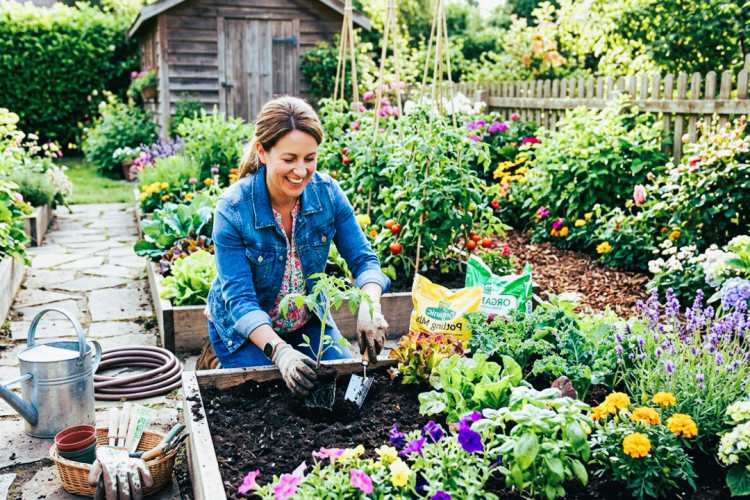
Homeowners across the country are rethinking their approach to landscaping, moving away from conventional plant selections toward varieties grown closer to home. This shift reflects broader concerns about water conservation, maintenance costs, and environmental impact. As climate patterns become less predictable and sustainability takes center stage in residential planning, the appeal of regionally adapted plants continues to grow. Understanding what drives this trend reveals practical benefits that extend far beyond simple aesthetics.
Why Locally Grown Plants Are Gaining Popularity Among Homeowners
As environmental awareness increases and sustainability becomes a priority for property owners, locally grown plants have emerged as a preferred choice for residential landscaping projects.
These plants require less water and maintenance since they’re already adapted to regional climate conditions and soil types. Homeowners appreciate the reduced transportation costs and carbon footprint associated with purchasing from nearby nurseries rather than importing specimens from distant locations.
Local plants support native ecosystems by providing food and habitat for pollinators, birds, and beneficial insects. The higher survival rates of regionally sourced plants translate to lower replacement costs and less frustration for landscape owners.
Garden centers offering locally grown varieties also provide expertise about specific growing conditions, helping homeowners make informed decisions that lead to healthier, more resilient landscapes. Check out Fort Collins garden center as an example of the best garden centers in the area
The Benefits of Choosing Plants Adapted to Local Climate and Soil Conditions
When plants originate from the same geographical region where they will be cultivated, they possess inherent advantages that imported varieties cannot match. These plants have evolved alongside local environmental conditions, developing natural resistance to regional pests, diseases, and weather patterns. Their root systems are already suited to native soil composition, requiring less amendment and fertilization.
Water requirements decrease greatly since locally adapted plants thrive on natural rainfall patterns rather than demanding supplemental irrigation. Temperature extremes pose minimal threat, as these species have genetic adaptations for surviving local winters and summers.
Maintenance costs drop considerably because homeowners spend less on fertilizers, pesticides, and water bills. The survival rate of locally adapted plants exceeds that of exotic varieties, reducing replacement expenses and landscaping frustration while promoting ecosystem stability.
How a Local Garden Center Helps Homeowners Find the Right Plants for Their Landscape
Local garden centers serve as invaluable resources for homeowners maneuvering the complexities of plant selection, offering expertise that online retailers and big-box stores cannot replicate.
Staff members possess detailed knowledge of regional growing conditions, including microclimates, soil compositions, and seasonal weather patterns that influence plant success. These specialists assess specific landscape challenges, such as drainage issues, sun exposure, and existing vegetation, then recommend compatible species. They identify plants that thrive without excessive maintenance or chemical interventions, saving homeowners time and money.
Garden centers also provide guidance on proper planting techniques, spacing requirements, and ongoing care schedules. Many offer follow-up consultations and troubleshooting support, ensuring plants establish successfully. This personalized service transforms plant selection from guesswork into informed decision-making, resulting in healthier, more sustainable landscapes.
Reducing Maintenance and Water Usage With Regionally Suitable Plant Selections
Because regionally suitable plants have evolved alongside local climate patterns, they require considerably less irrigation than non-native species once established. These adapted plants develop deep root systems that efficiently access moisture during dry periods, eliminating the need for frequent watering schedules. Homeowners reduce their water bills while conserving this precious resource.
Native plants also demand minimal fertilization since they thrive in existing soil conditions without chemical amendments. Their natural resistance to regional pests and diseases means fewer pesticide applications and reduced maintenance costs.
Pruning requirements decrease as well, since these species grow to sizes appropriate for the local environment. The cumulative effect translates to significant time and cost savings. Landscapes designed with regionally suitable plants maintain their appearance with basic care, allowing homeowners to enjoy attractive outdoor spaces without intensive upkeep demands.
Supporting Pollinators and Local Ecosystems Through Thoughtful Landscaping Choices
Native plants form the foundation of thriving pollinator habitats by providing essential food sources that commercial ornamentals cannot replicate. Indigenous species have co-evolved with local bees, butterflies, and hummingbirds over thousands of years, creating specialized relationships where specific plants supply precisely timed nectar and pollen resources.
These ecological partnerships extend beyond pollinators. Native plantings support entire food webs, from caterpillars that feed songbird nestlings to seed-producing flowers that sustain winter bird populations. Regional plants also provide critical nesting materials and shelter for beneficial insects.
Homeowners choosing locally adapted species create interconnected habitat corridors throughout neighborhoods. These green networks allow wildlife to move between fragmented natural areas, strengthening ecosystem resilience. A single yard planted with indigenous vegetation contributes measurably to regional biodiversity conservation efforts.
Read more about: Top 10 Lawn Care Mistakes to Avoid for a Perfect Lawn – Decorator Advice.
The Long-Term Value of Sustainable and Resilient Outdoor Spaces
Durability distinguishes sustainable landscapes from conventional designs that demand constant intervention. Native plants develop deep root systems that anchor soil, preventing erosion and reducing runoff during storms. These established networks require minimal irrigation once mature, cutting water costs considerably over decades of ownership.
Property values benefit from low-maintenance landscapes that remain attractive year-round without extensive chemical treatments or frequent replanting. Homeowners avoid the recurring expenses of replacing non-adapted species that succumb to local pests, diseases, or weather extremes.
Climate resilience becomes increasingly valuable as weather patterns shift. Locally adapted plants tolerate temperature fluctuations and precipitation changes better than exotic varieties bred for different conditions. This adaptability protects landscaping investments while maintaining curb appeal through environmental challenges that stress conventional plantings.
Emerging Landscaping Trends Driving Demand for Locally Sourced Plants in 2026
As environmental consciousness reshapes consumer preferences, several converging trends are accelerating the shift toward locally sourced plants in residential and commercial landscapes. Climate-adaptive gardening has become essential as homeowners seek species naturally suited to regional weather patterns and water availability.
The rewilding movement encourages native plantings that support local pollinators and wildlife ecosystems. Urban agriculture initiatives prioritize regionally propagated edibles that reduce food miles and transportation emissions.
Biophilic design principles emphasize authentic connections to place through indigenous flora. Professional landscapers increasingly specify locally grown inventory to meet LEED certification requirements and sustainability mandates.
Social media platforms amplify regional plant communities, fostering knowledge exchange about native species performance. These intersecting trends position locally sourced plants as both environmentally responsible choices and design statements reflecting contemporary ecological values.

