
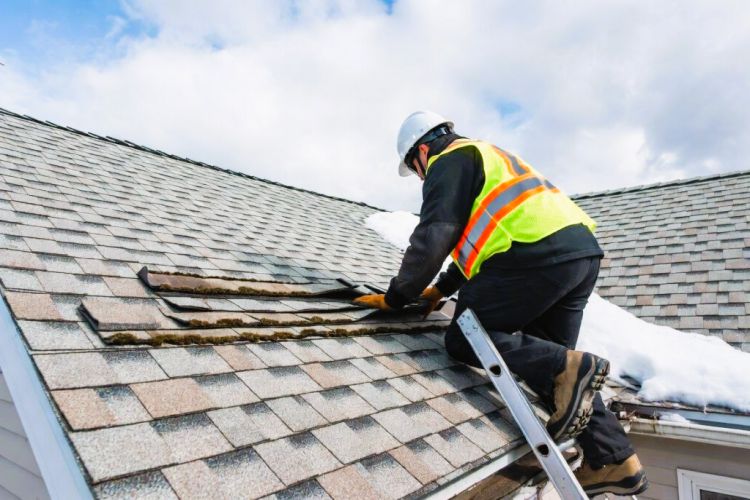
There is a certain kind of homeowner optimism that keeps patching, sealing, and hoping. A shingle blows off after a storm; no big deal. A small roof repair handles it. A little moisture shows up around the chimney flashing the following spring; another call, another fix. But somewhere between the third service visit and the fourth estimate, a quiet question starts nagging: Am I just buying time?
The honest answer is sometimes, yes. And knowing the difference between a roof that needs maintenance and a roof that is quietly asking to be replaced can save you thousands of dollars, months of frustration, and a whole lot of ceiling damage.
This article is for the homeowner who has been down the repair road more than once and is starting to wonder if there is a better path forward.
Why Repeated Repairs Aren’t Always the Smart Play
Repairs are a completely legitimate part of roof ownership. No roof, regardless of how well it was installed, goes its entire life without some attention. Flashing fails. A handful of shingles take a hit during a hailstorm. A small section of underlayment wears thin. These are normal maintenance events that a skilled roofing contractor can address without a full replacement.
The problem starts when those individual events stop looking like isolated incidents and start forming a pattern.
Think of it this way: if your car needs a new battery, that is routine. If it needs a new battery, then new brakes, then a transmission repair, all within the same year, something bigger is going on. Roofing works the same way.
When repairs are happening more frequently, the cost-per-year calculation begins to shift. A single repair might run a few hundred dollars. Two or three in a single season? You are creeping toward the price range where a full replacement starts making financial sense, and you are still left with an aging roof underneath all those patches. See local options like Roofing Companies In West Branch for estimates and replacement quotes.
Signs That Your Roof Is Telling You Something Bigger
Not all aging roofs announce themselves dramatically. Sometimes the signs are subtle and easy to dismiss. Here is what to pay attention to:
- The same area keeps leaking. If you have had the same spot repaired multiple times and moisture keeps finding its way back in, that is rarely a coincidence. It usually means the underlying structure the decking, the underlayment, or even the framing has been compromised in a way that surface-level repairs cannot fully address.
- You are seeing granule loss across large sections of the roof. Asphalt shingles shed granules naturally over time, but widespread granule loss is a sign that the shingles have reached the end of their protective lifespan. Those granules are what deflect UV rays and protect the asphalt layer beneath. Once they are gone in significant quantities, the shingles become brittle, crack more easily, and lose their ability to shed water properly.
- Your roof is approaching or past its expected lifespan. Most standard three-tab asphalt shingles are designed to last 20 to 25 years under normal conditions. Architectural shingles can last longer, often 30 years or more, especially when installed and ventilated correctly. If your roof is 18 years old and you are calling for repairs every other season, you are not extending the roof’s life. You are delaying an inevitable replacement while spending money along the way.
- You are noticing widespread shingle cracking, curling, or cupping. These physical changes in the shingles themselves are signs of age-related deterioration, not isolated damage. When shingles curl at the edges (cupping) or bend upward at the center (clawing), they are telling you that the material has dried out and lost flexibility. No repair addresses that condition at scale.
- The repair costs are starting to stack up. Pull out your records. If you have spent a meaningful amount on repairs over the past three to four years, add that up and compare it to the cost of a full replacement. In many cases, homeowners discover they have already spent 30 to 50 percent of a replacement cost on patchwork that has only extended the problem, not solved it.
The Case for Thinking Long-Term
One of the most important mindset shifts a homeowner can make is moving from reactive to strategic when it comes to the roof over their head.
Reactive roofing is something breaks, you fix it, you move on.
Strategic roofing is understanding where the roof is in its lifecycle, planning for what comes next, and making decisions that protect the home as a whole, not just the spot that is currently leaking. Guidance from Roof Geeks can help homeowners make informed roofing decisions before small issues become major problems.
A full roof replacement, done right, is not just a cosmetic upgrade. It is a comprehensive protection system. New decking where needed. New underlayment. New flashing. New ventilation where applicable. And if you are working with a GAF-certified contractor, you get new shingles that come backed by manufacturer warranties that can extend protection for decades, not just years.
That is a fundamentally different outcome than a patch over a problem.
What to Ask When You Are on the Fence
If you are genuinely unsure whether your roof needs more repairs or a full replacement, the most practical thing you can do is schedule a thorough roof inspection with a qualified contractor—not to commit to anything, but to get real information.
A good inspection should give you the following:
- An honest assessment of the roof’s current condition
- An estimate of its remaining useful life
- A clear explanation of what repairs would address and what they would not
- A replacement cost estimate, so you can make an informed comparison
Be cautious of any contractor who skips the inspection entirely and jumps straight to a sales pitch. A professional who has earned their certifications will want you to understand exactly what you are dealing with before making a decision.
Ask questions like:
- Is this damage isolated or systemic?
- If we repair this today, what is the likelihood of another issue in the next 12 to 24 months?
- What is the condition of the decking and underlayment beneath the shingles?
- At what point would you recommend replacement over continued repairs?
The answers to those questions will tell you a lot about both the condition of your roof and the integrity of the contractor in front of you.
Repairs Still Have Their Place
To be clear: not every aging roof needs to be replaced immediately. If your roof has several good years left, a targeted repair is still the right call. Replacing a roof before it has run its course is not a smart use of money either.
The goal is not to push homeowners toward replacement at the first sign of wear. The goal is to help homeowners see the full picture so they are not spending money on repairs that are only delaying an inevitable replacement by a few months.
When you understand where your roof actually stands, you can make a confident decision rather than a reactive one.
The Bottom Line
Repeated repairs are not inherently bad. They become a problem when they turn into a cycle that drains your budget without addressing the real issue underneath. If you find yourself calling for service every season, or seeing the same problems reappear after fixes, it is worth stepping back and asking whether you are maintaining a roof or just managing its decline.
Getting a professional assessment from a certified roofing contractor is the clearest way to answer that question. With the right information, you can stop guessing and start planning, whether that means one more targeted repair or a full replacement that protects your home for the next 30 years.
Your roof is not just shingles and nails. It is the first line of defense your home has against everything the weather sends its way. It deserves a strategy, not just a patch.

