
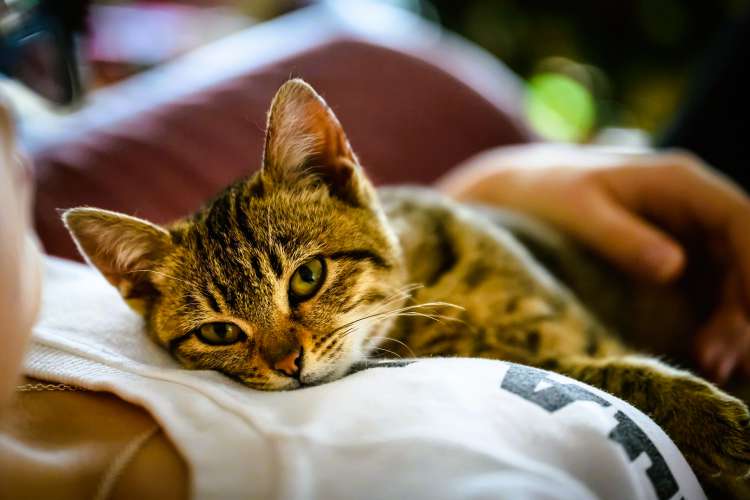
Think about it for a second. Imagine walking through life with no roof over your head, no warm bed, and no one there to protect you when danger comes knocking. Scary, right? That’s the reality for countless animals every single day. Strays wandering streets, abandoned pets hiding in alleys, and creatures left outside in harsh weather; these animals don’t have a place to feel safe, a space to rest, or even a simple sense of comfort.
A safe place isn’t just a physical structure. It’s a sanctuary, a promise that someone cares and that the world isn’t completely cruel. And yet, for too many animals, safety is a luxury they never get to enjoy. That’s why shelters exist and why they matter more than most of us realize.
Why Safety Matters More Than You Think
Safety for animals is more than protection from the obvious dangers like traffic, predators, or harsh weather. It’s also about emotional and psychological well-being. Imagine being constantly anxious, not knowing where your next meal will come from or whether you’ll survive the night. Stress takes a real toll, even on animals. They may become aggressive, withdrawn, or fearful, and that can affect their entire lives.
Shelters provide that crucial buffer. They give animals a space where they can eat, sleep, and just exist without fear. They can start to trust humans again. They can heal. And when they feel secure, their personalities begin to shine. The playful pup who cowers at the first sound of a hand clapping and the timid cat who hides from every visitor can both start to open up once they know someone is looking out for them.
Think of shelters as more than buildings. They’re lifelines, and they’re a testament to the fact that humans can, and do, make a difference.
Emotional and Psychological Benefits of a Safe Space
You don’t have to be a scientist to know that feeling safe changes behavior. Animals respond to care the way we do. When they feel secure, they’re calmer, more social, and more adaptable. That’s why shelters are so crucial. They’re not just about keeping animals alive; they’re about giving them a chance to thrive.
I remember reading about a dog named Max. Max had been abandoned on the streets, malnourished and scared of every shadow. But after a few weeks in a local shelter, he started wagging his tail again. He began seeking affection, playing with other dogs, and even greeting volunteers at the door. It wasn’t magic; it was the simple fact of having a safe, consistent space. A place where he could breathe without fear.
And here’s the thing: that transformation isn’t rare. It happens every day in shelters across the country. Animals regain their confidence, learn to trust again, and sometimes even surprise the people who care for them with how resilient they are.
How Shelters Help Communities Too
You might be thinking, “Okay, shelters are great for animals, but what about people?” That’s a fair question. It turns out that shelters aren’t just safe havens for pets, as they’re essential for communities as well.
First, they reduce the number of strays on the streets, which improves public safety. Fewer wandering dogs or cats mean fewer accidents, fewer bites, and fewer animals at risk. Second, shelters provide volunteer opportunities, allowing people to engage meaningfully with their community. And third, they often run educational programs, teaching kids and adults alike about responsible pet care.
It’s a win-win. Animals get safety. People get a chance to help, learn, and connect. And the community as a whole becomes a little kinder, a little more compassionate.
Now, creating these safe spaces isn’t just about having a roof over the animals’ heads. It requires careful planning, strong materials, and designs that consider the comfort and well-being of every creature. That’s why many shelters invest in quality structures to ensure animals are protected, warm, and secure, without compromising the space’s usability for staff and volunteers. It’s subtle, but it matters. A well-built shelter makes a real difference in an animal’s day-to-day life.
How You Can Make a Difference
Here’s the good news: you don’t have to run a shelter to help animals. There are plenty of ways to make a tangible impact.
Volunteer your time. Even a few hours a week can change an animal’s world. Walk dogs, play with cats, or help with cleaning. These small acts matter more than you think.
Foster animals. Some pets need temporary homes before they’re ready for adoption. Fostering gives them a safe environment and helps shelters manage space. Plus, it’s an opportunity to bond with a pet without a long-term commitment.
Donate or fundraise. Shelters rely heavily on community support. Donations go toward food, medical care, and creating safe, comfortable spaces. Even small contributions make a difference.
And if you’re not sure where to start, simply spreading awareness can help. Sharing stories from shelters, advocating for pet adoption, or educating friends about the importance of safety can create ripples of change.
It’s easy to feel powerless when you think about all the animals in need, but the truth is, small actions add up. Every toy, every meal, every hour spent caring for an animal is a step toward giving them the safe place they deserve.
Real Stories of Hope
Stories are powerful. They make abstract ideas tangible. Take Bella, a senior cat who had been in and out of homes before finally landing in a shelter. Bella was shy, wary of humans, and often hid in the back corners. But with patient care and a safe environment, she slowly started exploring. She even began curling up in volunteers’ laps and purring for the first time in years. Eventually, Bella found her forever home.
Or consider Rocky, a dog rescued from neglect. When he first arrived, he was aggressive and fearful. Staff weren’t sure if he could ever adjust. But after weeks of structured care in a safe space, Rocky transformed. He became playful, loving, and ready to meet his forever family.
These aren’t rare miracles. They’re everyday results of shelters providing safety, structure, and care. They show that animals, like humans, thrive when their basic needs are met and they feel protected.
The Bigger Picture
Here’s something worth thinking about: shelters are more than just buildings. They’re symbols of compassion, resilience, and hope. They remind us that even in a world where things can be harsh and unpredictable, there’s still kindness. And they show us that we can be part of that kindness.
Every safe place given to an animal has a ripple effect. It nurtures trust. It fosters connection. It teaches communities that every life matters. And it gives us all a chance to do something meaningful, something that matters beyond ourselves.
So, what can we do today? Maybe it’s a small action: volunteering, donating, or fostering. Maybe it’s spreading awareness. Or maybe it’s simply pausing and recognizing that the animals around us, seen and unseen, need more than food and water; they need safety, comfort, and love.
Conclusion
Every animal deserves a safe place to call home. It’s not just about survival; it’s about giving them the chance to flourish, to feel secure, and to experience care and compassion. From the physical shelter to the emotional safety it provides, every aspect matters. And we all have a role to play in making that happen.
So next time you walk past a shelter, volunteer a few hours, or even share a story online, remember this: every action counts. Every safe space we create, whether through care, design, or support, changes an animal’s life in ways we might never fully see, but the impact is real.
What would it feel like to know that, just by caring, you helped an animal feel safe for the very first time? That thought alone is worth every effort.

