
A good general contractor will keep you informed, offer a detailed written scope of work, be licensed and insured (and be happy to show you proof), and provide reasonable pricing. They will be organized in managing the project and willing to answer your tough questions before the work starts. You should also look for a contractor whose past work matches the type and scale of your project.
If you’re comparing contractors for a kitchen or bathroom remodel, ADU, addition, or full-home renovation, this guide will help you identify trustworthy professionals, spot warning signs, understand what affects your costs, and know what to ask before signing a contract.
Qualities of a Trustworthy General Contractor
The strongest signs of a reliable general contractor are visible before construction starts. You should be able to understand who you’re hiring, what they are responsible for, what the project includes, how changes are handled, and how communication will work.
A professional contractor should be comfortable discussing these details rather than rushing you towards a deposit.
If you’re planning home remodeling and construction in Los Angeles, the same principles apply whether you’re renovating a kitchen or bathroom, adding an ADU, expanding your living space, or taking on a full-home renovation.
The more complex the project, the more important it is to choose a contractor who can coordinate the work, communicate clearly, and manage the details from start to finish.
What Separates Good Contractors From Great Ones?
A good contractor can complete construction work. A great contractor also manages the process around that work.
That distinction matters because a renovation involves much more than installing cabinets, framing walls, or laying tile. You are coordinating design decisions, materials, schedules, subcontractors, inspections, deliveries, payments, and unexpected conditions.
A reliable contractor makes those moving parts understandable.
You should expect clear answers about:
- Who manages your project day-to-day
- Which trades or subcontractors will be involved
- How design decisions affect construction
- How material selections are documented
- How changes to the original scope are approved
- How delays or unexpected site conditions are communicated
- What happens during the final walkthrough
You do not need a contractor who promises that nothing will ever go wrong. Renovation work can uncover conditions that were not visible before demolition. What matters is how those situations are identified, explained, priced, and documented.
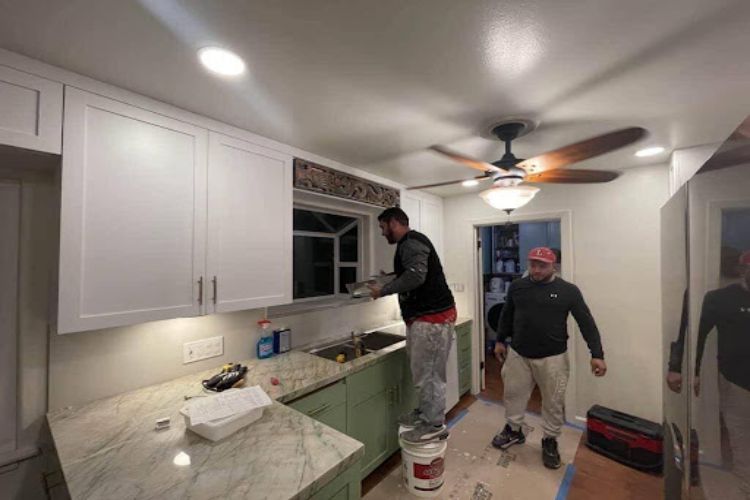 8 Green Flags When Evaluating a General Contractor
The best way to evaluate a contractor is to look for evidence rather than promises. These seven green flags give you practical ways to assess whether a company is prepared to manage your project professionally.
1. Verifiable Licensing And Insurance
Before hiring a contractor in California, verify the contractor’s license through the California Contractors State License Board and ask for appropriate insurance documentation.
Do not rely solely on a license number printed on a website or estimate. Verify that the information belongs to the contractor you are actually hiring and that the license classification is appropriate for the work.
2. A Detailed Written Scope
A reliable contractor should explain what the quoted work includes. Your agreement should be specific enough to understand the major construction tasks, materials or allowances, payment structure, and responsibilities of each party.
For example, “bathroom renovation” tells you very little. A useful scope should clarify demolition, plumbing, electrical work, waterproofing, cabinetry, fixtures, tile, finishes, and other relevant work.
The more clearly the scope is defined, the easier it becomes to compare proposals.
3. Relevant Previous Work
A portfolio is useful, but relevance matters more than volume.
If you are planning an ADU, look for ADU projects. If you are renovating a kitchen in an older property, ask whether the contractor has experience dealing with existing structures and the complications that can appear during demolition.
You are not simply checking whether the finished spaces look attractive. You are assessing whether the contractor has handled work similar to yours.
4. Clear Communication
Pay attention to communication before you sign anything.
Do your questions receive specific answers? Are estimates and revisions documented? Does someone explain the next step rather than leaving you to chase information?
Construction involves constant decisions. Poor communication at the beginning can become a much larger problem once materials are ordered and work is underway.
5. A Realistic Approach To Pricing And Schedule
Be cautious when a contractor gives you an unusually low price without explaining why it differs from other proposals.
The cheapest estimate may exclude important work, use different allowances, omit preparation, or assume materials that you do not actually want.
A reliable contractor should explain what affects the price and identify areas where the final cost could change. The same applies to schedules. A credible timeline should account for the project’s scope, design decisions, materials, inspections, and other dependencies.
6. A Defined Change-Order Process
Renovations sometimes change. You may choose a different material, discover an existing condition behind a wall, or decide to modify the design.
The important question is how those changes are handled.
Before construction begins, ask how additional work is documented, approved, priced, and added to the project. You should understand the financial impact before authorizing a change.
7. A Professional Process From Start To Finish
Look at the entire customer experience, not just the finished photographs.
A strong contractor should have a process for estimating, planning, construction, communication, inspections where applicable, completion, and final review. Organization is not glamorous, but it is one of the things that makes a complex renovation easier to manage.
8. Strong 5-Star Reviews and Testimonials
Testimonials can give you another useful perspective on a contractor’s communication, reliability, workmanship, and overall experience, so take time to review them alongside their portfolio and other project information.
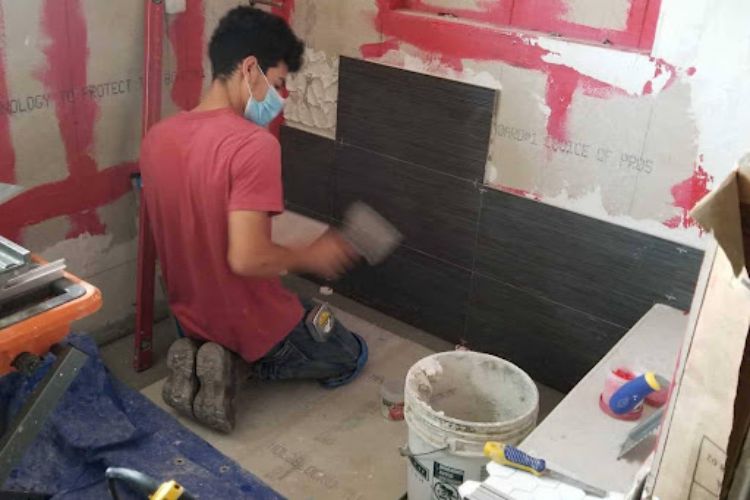 5 Red Flags That Should Make You Walk Away
Some warning signs deserve more attention than a slightly higher quote. If a contractor avoids documentation, pressures you to make immediate decisions, or cannot clearly explain who is responsible for what, you should reconsider the relationship before construction begins.
1. Pressure To Sign Immediately
A contractor who creates artificial urgency can make it difficult for you to compare proposals properly.
You should have enough time to review the scope, contract, pricing, payment schedule, and other important documents before committing.
2. Vague Estimates
An estimate that only provides one large figure without explaining the underlying work makes comparison difficult.
Ask what is included, what is excluded, what is an allowance, and what circumstances could result in additional charges.
3. Large Unexplained Upfront Demands
Payment terms should be clearly documented and consistent with the contract.
Be particularly cautious when you are asked for a substantial payment without a clear explanation of what it covers, what work follows, and how future payments are tied to the project.
4. No Clear Point Of Contact
If you cannot establish who will manage communication once construction begins, ask how project decisions will be handled.
You should know who to contact about scheduling, site questions, changes, materials, and issues that require a decision.
5. Reluctance To Provide Documentation
If basic questions about licensing, insurance, contracts, scope, or previous work are repeatedly avoided, treat that as a serious warning sign.
Professional contractors should understand that due diligence is part of spending a significant amount of money on construction.
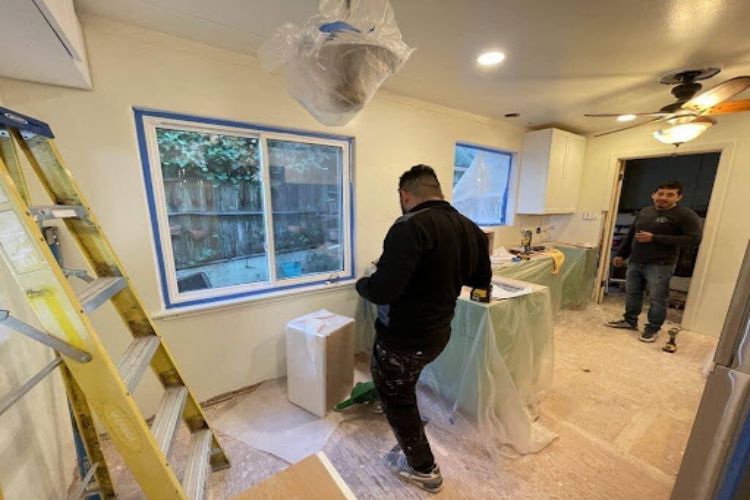 The Right Contractor Should Make The Decision Easier
Your next step is simple: compare contractors based on evidence, not promises.
At Denali Builders & Design, we help homeowners across Los Angeles with kitchens and bathrooms, ADUs, additions, and full-home renovations. Our approach centers on quality remodeling, thoughtful design, reliable craftsmanship, honest communication, and attention to detail.
When you are evaluating the signs of a reliable general contractor, you should be able to see that approach in the way your project is planned and managed. We work collaboratively with clients, architects, and designers and provide customized solutions based on the requirements of each project.
Our goal is to make the construction process clear from the initial conversation through the finished space, with careful attention to materials, design decisions, workmanship, and the details that shape the final result.

