
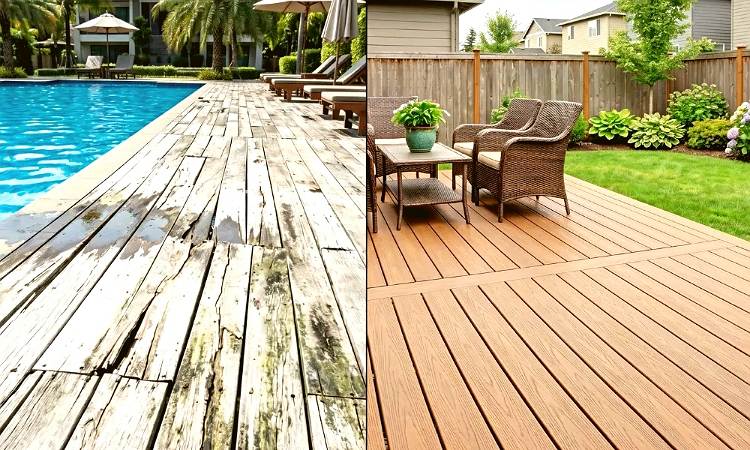
Wood Plastic Composite, commonly known as WPC, has become a popular material for modern outdoor spaces. It combines wood fibers with recycled or virgin polymers to create a durable alternative to traditional timber decking. Unlike natural wood, WPC decking is designed to resist moisture, insects, cracking, and everyday wear, making it suitable for residential and commercial applications.
As demand for low-maintenance outdoor products continues to grow, choosing a reliable wpc composite decking manufacturer has become increasingly important. A reputable manufacturer can provide consistent product quality, reliable technical specifications, and decking solutions designed for different environmental conditions.
Why WPC Decking Is Becoming More Popular
Traditional wooden decking can provide a warm and natural appearance, but it often requires regular staining, sealing, painting, and maintenance. WPC decking offers a practical alternative for property owners who want a wood-inspired appearance without the same level of upkeep.
One of its major advantages is moisture resistance. Quality WPC boards are less likely to absorb water than conventional wood, helping them perform better in humid or rainy environments. They are also resistant to common problems such as rotting and termite damage.
Other advantages include:
- Low maintenance requirements compared with natural timber
- Good resistance to moisture, insects, and everyday outdoor conditions
- Consistent appearance and dimensions
- Availability in different colors, textures, and surface finishes
- Long-term suitability for residential and commercial outdoor projects
These characteristics make WPC decking suitable for balconies, gardens, terraces, poolside areas, patios, restaurants, hotels, and other outdoor environments.
What Makes a Reliable WPC Manufacturer?
Not every WPC decking product offers the same level of performance. Manufacturing processes, raw materials, formulation, and quality control can all affect the final product. For this reason, buyers should evaluate manufacturers carefully rather than selecting a supplier based only on price.
A dependable manufacturer should have clear production standards and a consistent approach to quality control. The company should be able to provide information about the composition of its decking boards, manufacturing process, dimensions, load performance, and recommended installation methods.
Experience also matters. Manufacturers with established production capabilities are generally better positioned to maintain consistent quality across large orders. They may also offer more design options and customized solutions for projects with specific requirements.
Materials and Manufacturing Quality
The quality of WPC decking begins with its raw materials. The balance between wood fibers and polymer components influences factors such as strength, stability, appearance, and resistance to environmental conditions.
Advanced manufacturing processes can improve the consistency of decking boards and reduce common problems such as warping, uneven surfaces, and dimensional variation. Some manufacturers also use co-extrusion technology to create a protective outer layer around the core of the decking board. This can provide additional resistance to staining, moisture, fading, and surface wear.
When comparing suppliers, buyers should therefore look beyond appearance. A professionally manufactured board should combine attractive design with reliable structural and environmental performance.
Choosing the Right Decking Design
WPC decking is available in a wide variety of colors, surface patterns, and finishes. Some products closely imitate natural wood grain, while others use contemporary textures for modern architectural projects.
The right design depends on the property’s overall style and intended use. Residential gardens may benefit from warm wood tones, while hotels, commercial buildings, and contemporary homes may use darker or more uniform finishes.
Surface texture is another important consideration. A suitable textured finish can improve visual appeal while also contributing to slip resistance in outdoor areas. Buyers should consider the environment in which the decking will be installed before selecting a specific surface design.
Installation and Long-Term Performance
Even high-quality WPC decking needs correct installation to perform properly. The supporting structure should be level, stable, and appropriately spaced according to the manufacturer’s recommendations. Proper ventilation and drainage are also important because they help prevent water from remaining underneath the boards.
Following installation guidelines can reduce the risk of movement, unevenness, or premature wear. Professional installation may be especially useful for large commercial projects or areas exposed to heavy foot traffic.
Routine maintenance is generally straightforward. Regular sweeping and occasional cleaning with suitable products can help keep the decking looking attractive. However, users should always follow the manufacturer’s care instructions because cleaning requirements can vary between products.
Sustainability and Modern Outdoor Construction
Sustainability is another reason WPC products are attracting attention. Depending on the manufacturer’s materials and production methods, WPC can incorporate recycled polymers and wood-based materials that would otherwise require additional resources.
For environmentally conscious construction projects, buyers can ask manufacturers about their sourcing practices, recycled content, production standards, and product lifespan. A durable decking product that requires fewer replacements can also contribute to more efficient long-term resource use.
Final Thoughts
Selecting the right WPC decking is about more than choosing an attractive color or competitive price. Buyers should consider material quality, manufacturing standards, durability, design options, installation requirements, and after-sales support.
Working with an experienced wpc composite decking manufacturer can make the purchasing process easier while helping ensure that the selected product meets the project’s practical and aesthetic requirements. With the right combination of quality materials and professional manufacturing, WPC decking can provide a durable, attractive, and low-maintenance solution for modern outdoor spaces.

