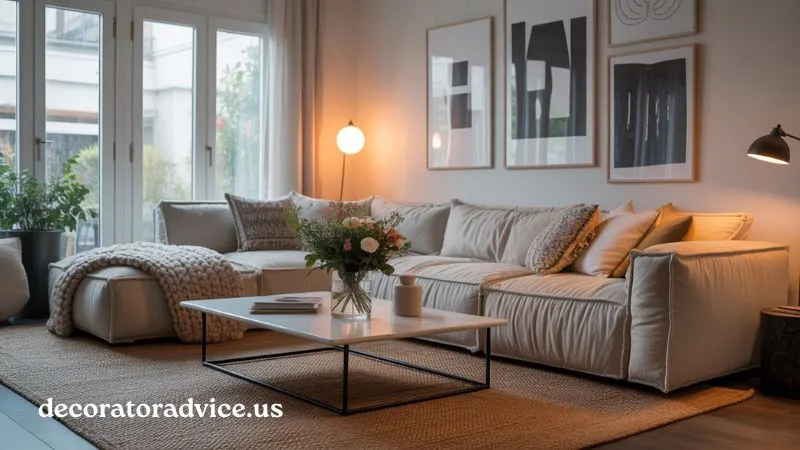
There is a particular kind of tired that comes from a space that has too much in it. Nothing is technically wrong. Everything has a place, more or less. But the room never quite settles, and neither do you when you are in it.
It does not happen in one moment. A few things come in, stay longer than expected, and then more follow. At some point the accumulation becomes the default, and the original sense of what the space was supposed to feel like becomes harder to remember.
That is usually where the question starts. Not with a dramatic decision, just a quiet noticing that something could be different.
Start With What You Use Every Day
A useful place to begin is not with what to remove, but with what genuinely matters. The things you reach for every morning, the ones that shape how the day starts. Those deserve more attention than they usually get.
Your bed is one of them. You return to it every night without thinking, which is exactly why its condition affects more than it seems. If the one you have feels cramped, or you find yourself adjusting around the edges more than actually resting, King mattresses give you the room to sleep without that constant low-level negotiation with the space.
The same applies to a chair you sit in for hours or a kitchen tool you use so often you stop seeing it. If these things are worn or just not working well, replacing them is not adding to the problem. It is the opposite of that.
Upgrade Items That Affect How You Feel
There are things in a home that quietly shape your comfort without ever drawing much attention to themselves. Lighting in a room where you spend most of your evenings. A chair that either supports you or doesn’t. Bedding that breathes or holds heat in a way that wakes you at two in the morning.
None of these feel dramatic. That is part of why they get left as they are. But upgrading one of them tends to change something you feel before you fully register what shifted. It is less about the item itself and more about what it was costing you while it stayed the way it was.
Declutter What Has Stopped Being Used
At some point, most homes develop areas where things collect without much intention. A drawer that gets harder to close. A shelf that holds things you moved from somewhere else. A corner that became a temporary place and then stayed that way.
The question that tends to cut through the hesitation is a simple one. Has this been used in the past year? Not almost used. Not might be useful someday. Actually used. If the answer is no, it is probably not earning its place.
Letting go feels harder than it should, at first. Then it starts to feel like something lifted.
Focus on Function Over What Looks Good Right Now
Something catches your eye. It fits the way the room looks at this particular moment in time. You bring it in. Six months later, the moment has passed and the item is still there, slightly out of place, not quite earning its spot.
Trends move faster than most purchases do. An item chosen because it is useful tends to hold its place longer than one chosen because it looked right in a specific season. That difference is subtle until you are standing in a room full of things that no longer quite fit and wondering how it got that way.
Create Space That Feels Open
A crowded room has a way of making itself felt without anything specific being wrong. There is just a low, constant friction to being in it. You adjust without noticing. You stop spending time there, or you spend time there without really settling.
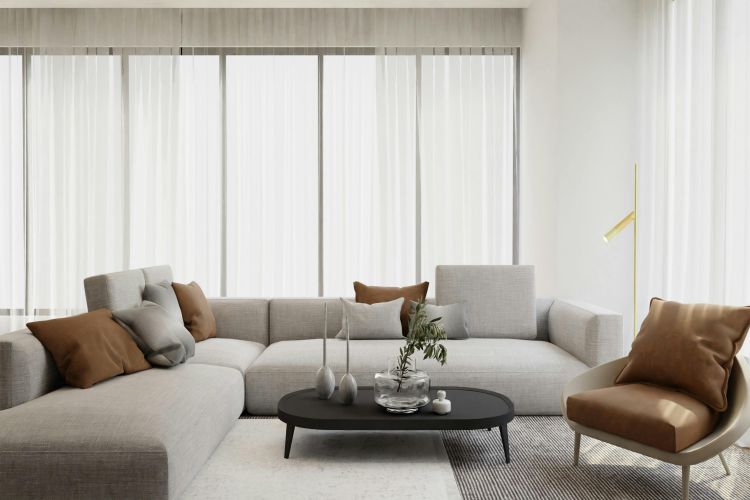
Removing what does not need to be present changes that feeling without changing the room itself. Open space gives the eye somewhere to rest. It makes a room easier to be in, which sounds small until you feel the difference on an ordinary evening.
It does not require a dramatic clearing out. Sometimes one surface, finally kept clear, is enough to shift how a whole room feels.
Be Intentional About What Comes In
The harder part of all of this is not the single clearing session. It is what happens after, when the habit of accumulation quietly starts again.
Most of it happens in small moments. Something seems useful. Something looks good. Something is on sale and the decision is easy to justify. None of it feels significant at the time. Then a few months pass and the drawer is full again.
A brief pause before a purchase tends to be enough. Not a long deliberation, just a moment. Will this get used? Is it replacing something, or adding to what is already there? The question does not have to slow anything down. It just introduces a small amount of intention into a decision that would otherwise happen without it.
Make It Work for the Way You Actually Live
There is no version of this that looks the same in every home, and there probably should not be. What works depends on how you live, what you do, who shares the space with you. Someone else’s stripped-back aesthetic is not a template. It is just their answer to their own set of questions.
Starting small tends to make more sense than approaching the whole thing at once. One room. One category. One drawer that has been bothering you for longer than you can remember. The decisions get easier as you go, not because the objects change but because your sense of what you actually want becomes clearer.
It does not arrive all at once. It settles in, gradually, and then one day you walk through a room and nothing catches.