
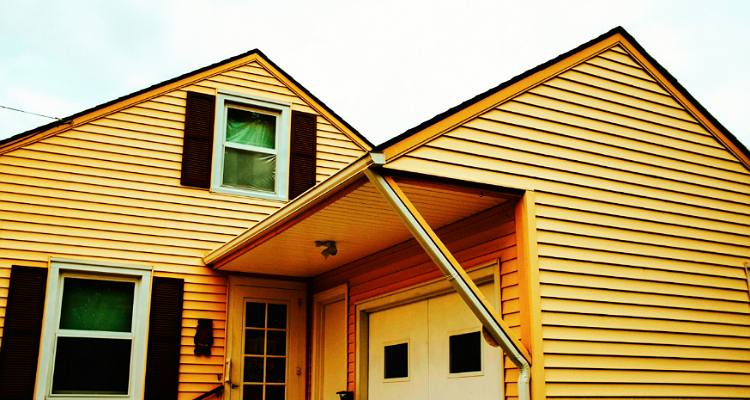
The outside of a home tells a story long before anyone steps through the front door. For homeowners in Austin, TX, that story can fade quickly when years of weather, wear, and outdated finishes start to show. A well-planned exterior makeover brings the structure back to life, lifts curb appeal, and protects the investment underneath every panel and shingle. The trick is approaching it with a clear plan instead of a scattered list of fixes.
This guide walks through every layer of the process, from inspecting what you already have to selecting the right finishing touches. With the right sequence, the work becomes far less overwhelming and the results last far longer.
Giving the Home a Fresh Outer Finish
Walk past any well-kept home, and the eye almost always lands on the siding first, since it covers the largest visible surface and sets the tone for everything else. Quality siding works quietly in the background too, holding back moisture, softening the impact of heat, and keeping the structure underneath safe from the daily wear of changing weather.
Even the best material eventually loses its edge after enough years in the sun, and once panels start to fade, split, or pull away from the wall, the surface beneath grows vulnerable to leaks and slow rot. That is exactly the point where replacement becomes the right call rather than another round of patchwork. If you’re also considering siding replacement Austin TX has plenty of trusted professionals who can strip the old material, address any hidden issues, and install fresh panels suited to the local climate.
Inspecting the Roof Before Anything Else
The roof sits above every other element of the exterior, so any plan should begin with a careful look at its condition. Missing shingles, sagging sections, and worn flashing can quietly cause damage that spreads to the walls, the attic, and even the foundation. Catching these issues early keeps the rest of the makeover from turning into a much larger repair project later.
A trusted roofing professional can spot problems that are easy to miss from the ground. Their inspection should cover the surface material, the underlayment, the gutters, and the seals around vents and chimneys. Once the roof is solid, every other improvement below it has a chance to last.
Updating Windows and Doors
Windows and doors do more than let in light and people. They shape the personality of the facade and play a major role in energy efficiency. Old frames that leak air drive up cooling costs, while outdated styles can make the whole house feel stuck in another era.
Modern replacements come in a wide range of profiles, from clean and minimal to traditional and detailed. The front door deserves extra attention, since it acts as the focal point for visitors. A bold color or a richer material can transform the entry without requiring major construction.
Planning the Color Palette
Color sets the mood of the entire property. A thoughtful palette ties the walls, trim, doors, and accents into one cohesive look, while a random mix of shades can make even a well-built home feel disjointed.
The best approach is to pick one main color, one secondary tone for trim, and one accent for features such as the front door or shutters. Test swatches in different lighting before committing. Morning sun, afternoon glare, and overcast skies all change how a color reads on a wall.
Improving the Driveway and Walkways
The path leading up to the home is often overlooked during a makeover, yet it plays a huge role in the overall impression. Cracked concrete, faded pavers, and uneven surfaces pull attention away from the rest of the upgrades. Repairing or refinishing these areas gives the property a polished, finished feel.
There are several ways to approach this part of the project. Sealing existing concrete, adding decorative borders, or installing new pavers can each transform the look without requiring a full tear-out. The right option depends on the current condition and the style of the home.
Adding Outdoor Lighting
Lighting changes how a home is experienced after the sun goes down. Soft path lights, warm fixtures near the entry, and accent lighting on key features turn an ordinary facade into something inviting. Good lighting also adds a layer of safety, making steps, walkways, and entry points easier to navigate.
The goal is balance. Too many bright fixtures create harsh glare, while too few leave the property feeling dim and uninviting. Layering different sources of light, low along the ground, mid-level near the door, and higher on architectural features, creates a warm and welcoming glow.
Sequencing the Work for the Best Results
A successful exterior makeover is not just about what gets done. It is also about the order in which it happens. Starting with structural elements such as the roof and outer surfaces, then moving into windows, paint, and landscaping, prevents finished work from being damaged by later projects.
Build a realistic timeline and stick to it as closely as possible. Weather, scheduling, and material availability can shift things, so leaving room for small delays keeps the process calm. With patience and a clear plan, the home that emerges at the end will feel renewed from every angle.

