
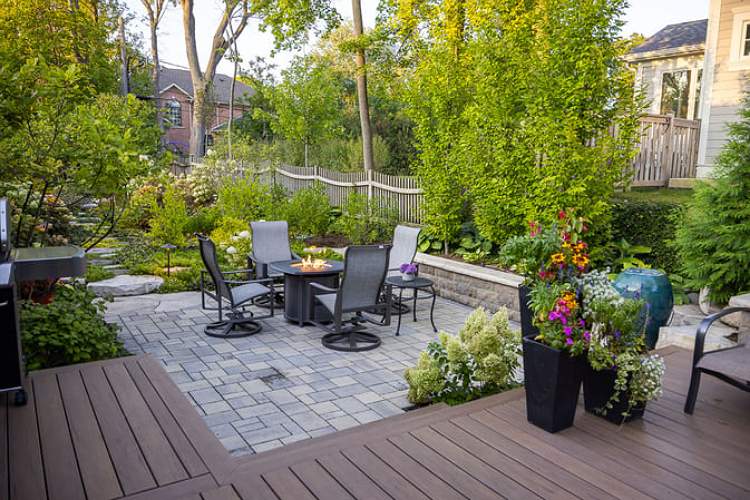
Living in a tiny home doesn’t mean sacrificing beauty, comfort, or outdoor charm. In fact, thoughtful exterior design can dramatically improve the functionality and visual appeal of small living spaces. With the right choices in plants, layout, and materials, even compact outdoor areas can feel spacious, inviting, and purposeful. Whether you have a small patio, narrow walkway, or shared yard, smart outdoor design plays a key role in enhancing tiny home living.
The Importance of Outdoor Spaces for Tiny Homes
Outdoor areas act as an extension of your interior space. For tiny homes, this extra area can serve multiple purposes—relaxation, dining, gardening, or entertaining guests. A well-designed outdoor environment improves livability while also increasing property value and overall satisfaction.
By focusing on low-maintenance, space-saving elements, homeowners can create functional landscapes that complement the minimalist lifestyle commonly associated with tiny homes.
Choosing the Right Plants for Limited Space
Plant selection is one of the most important factors in small outdoor design. Opt for plants that thrive in containers, require minimal care, and suit your local climate. Vertical gardens, hanging baskets, and raised planters are excellent solutions for maximizing greenery without taking up valuable floor space.
For small outdoor spaces, it’s helpful to consider plants that make a visual impact without taking up much room. Low-growing varieties that spread or cascade can create color and texture along edges, in containers, or over planters. Creeping Phlox info can provide guidance on using low-growing, colorful plants to brighten compact areas.
Incorporating stylish containers is also essential. Thoughtfully selected planters can act as decorative accents while keeping the area organized and clutter-free. If you’re looking for inspiration, these modern planters are ideal for both small patios and larger outdoor layouts, offering a balance of design and practicality.
Layout Tips for Small Outdoor Areas
When space is limited, every inch matters. Start by defining zones—such as a seating area, plant corner, or pathway—using planters, rugs, or compact furniture. Foldable or multi-purpose furniture can help keep the space flexible and functional.
Using light-colored materials, mirrors, and strategic lighting can also make outdoor areas feel more open. Solar-powered lights or string lights add warmth without requiring complex installation, making them perfect for tiny home environments.
Sustainable and Low-Maintenance Design Choices
Sustainability is often a core principle of tiny home living. Choosing native plants reduces water consumption and maintenance, while permeable surfaces like gravel or stepping stones improve drainage and environmental impact.
Recycled materials, reclaimed wood, and eco-friendly planters not only support sustainability but also add character and uniqueness to your outdoor space. These choices align well with the minimalist and environmentally conscious values of many tiny homeowners.
Landscaping Strategies Tailored for Tiny Homes
A successful outdoor design balances aesthetics with practicality. Thoughtful plant placement, smart pathways, and functional storage solutions ensure the space remains usable year-round. If you want more in-depth ideas and expert insights, this guide on landscaping for tiny homes offers valuable tips for creating beautiful and efficient outdoor environments.
Final Thoughts
Enhancing a tiny home’s outdoor space doesn’t require a large budget or expansive land. With intentional design, the right plants, and well-chosen accessories, small spaces can feel both luxurious and functional. By focusing on smart layouts, sustainable materials, and stylish planters, tiny homeowners can transform their outdoor areas into inviting extensions of their living space.
A well-designed exterior not only improves daily life but also reflects the creativity and personality that make tiny home living truly special.

