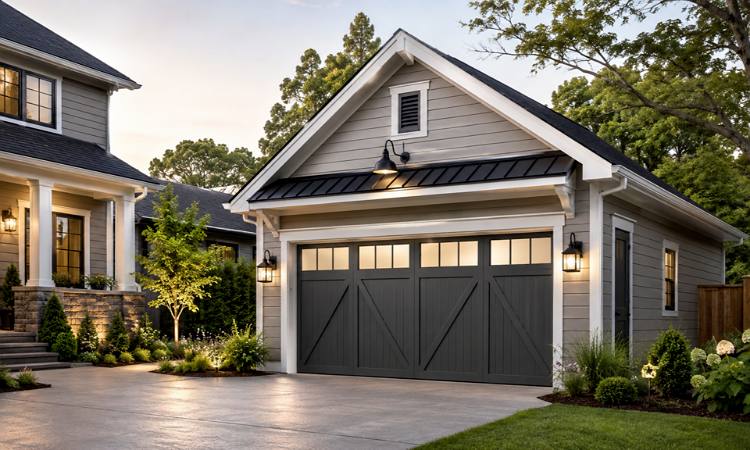
Adding a garage is often viewed as a practical home improvement project, but it is also a decision that affects a property’s appearance, usability, and long-term value. Whether homeowners are looking to protect vehicles, create additional storage space, establish a workshop, or increase resale potential, a well-designed garage can serve multiple purposes at once.
The challenge lies in finding the right balance between aesthetics, functionality, and budget. An experienced garage builder understands that every design choice influences both the visual impact of the structure and the overall garage construction cost. Achieving the ideal balance requires careful planning, thoughtful material selection, and a clear understanding of the homeowner’s priorities.
As residential design trends continue to evolve, garages are no longer treated as purely utilitarian structures. Instead, they are increasingly viewed as extensions of the home itself. This shift has made the balancing act between curb appeal, practical performance, and affordability more important than ever.
Why Balance Matters
A garage that looks attractive but fails to meet daily needs may become a source of frustration. Likewise, a highly functional structure that clashes with the home’s exterior can negatively affect property aesthetics. On the other hand, focusing solely on minimizing expenses may result in compromises that reduce durability, efficiency, or future resale value.
The most successful projects recognize that these three elements—appearance, usability, and budget—are interconnected. Improving one area often affects the others, creating trade-offs that must be carefully evaluated.
For homeowners, understanding these relationships can lead to more informed decisions and better long-term outcomes.
The Role of Curb Appeal in Garage Design
Curb appeal refers to the visual attractiveness of a property when viewed from the street. While often associated with landscaping and architectural features, garages can significantly influence a home’s exterior appearance.
Because garages frequently occupy a prominent position on residential lots, their design can either complement or detract from the overall character of the property.
Matching Existing Architecture
One of the most common goals is creating visual harmony between the new structure and the main residence. This may involve matching:
- Roof styles
- Exterior siding materials
- Window designs
- Paint colors
- Architectural details
When these elements work together, the garage appears as a natural extension of the property rather than an afterthought.
However, architectural consistency often requires additional materials and labor. Premium finishes and customized details may improve visual appeal but can also increase project expenses.
The Impact on Property Value
A visually appealing garage can contribute positively to property value. Prospective buyers often evaluate the entire exterior appearance of a home before even stepping inside.
A structure that blends seamlessly with the residence may create a stronger first impression and enhance marketability. Yet homeowners should be careful not to over invest in cosmetic upgrades that exceed neighborhood standards, as this may limit potential returns.
Finding the appropriate level of visual enhancement requires consideration of both current needs and future resale goals.
Prioritizing Functionality
While aesthetics matter, practical performance remains one of the primary reasons homeowners invest in garages.
Functionality encompasses everything from storage capacity and vehicle accommodation to accessibility and future adaptability.
Determining Space Requirements
One of the earliest decisions involves identifying how the garage will be used.
Some households require basic vehicle storage, while others need space for:
- Recreational equipment
- Lawn care tools
- Workshops
- Home gyms
- Hobby areas
- Additional storage
Larger structures provide greater flexibility but require more materials, larger foundations, and increased labor. Expanding square footage may improve usability while simultaneously increasing project complexity.
As a result, homeowners often face decisions about how much space they truly need versus how much they would ideally like to have.
Vehicle Considerations
Modern vehicles are generally larger than their counterparts from previous decades. SUVs, trucks, and recreational vehicles require additional clearance and maneuvering room.
Designing a garage around current and future vehicle needs helps prevent limitations later. However, larger bays naturally increase building dimensions and associated expenses.
Balancing adequate vehicle accommodation with overall project affordability is a common design challenge.
Storage Efficiency
Efficient storage solutions can improve functionality without necessarily expanding the building footprint.
Features such as overhead shelving, wall-mounted systems, loft spaces, and built-in cabinets allow homeowners to maximize usable space within existing dimensions.
These solutions often represent a more economical alternative to constructing a significantly larger structure while still supporting long-term organizational needs.
Material Choices and Their Trade-Offs
Material selection plays a major role in balancing appearance, performance, and budget.
Each option presents advantages and disadvantages that influence both short-term costs and long-term value.
Exterior Siding
Siding affects both durability and aesthetics.
Common options include:
- Vinyl
- Fiber cement
- Wood
- Engineered wood
- Metal panels
Vinyl is often cost-effective and low maintenance but may offer fewer design possibilities than premium materials. Wood can provide a classic appearance but generally requires more upkeep over time.
Fiber cement offers durability and visual versatility, though installation costs may be higher.
Choosing the right material often involves evaluating maintenance expectations alongside initial investment.
Roofing Materials
Roofing contributes significantly to both visual appeal and weather protection.
Asphalt shingles remain a popular option due to affordability and design flexibility. Metal roofing may offer greater longevity and energy efficiency but often comes with higher upfront expenses.
The decision frequently depends on climate conditions, architectural style, and long-term ownership plans.
Garage Doors
Garage doors are among the most visible components of the structure.
Options range from basic steel models to custom wood or carriage-style designs. Decorative hardware, windows, insulation, and smart technology can further enhance appearance and performance.
However, these upgrades can substantially affect overall project expenses. Homeowners must determine which features genuinely improve usability and which primarily serve aesthetic preferences.
Location and Site Conditions
The physical characteristics of the property can significantly influence design decisions and project feasibility.
Lot Size and Layout
Available space often dictates what can realistically be built.
Narrow lots, sloped terrain, existing landscaping, and setback requirements may limit design options. Accommodating these conditions can require specialized planning and construction techniques.
While some homeowners may envision a larger or more elaborate structure, site limitations often necessitate compromises between ideal designs and practical realities.
Drainage Considerations
Proper drainage is essential for protecting both the garage and surrounding property.
Poor drainage can lead to water intrusion, foundation problems, and premature deterioration. Addressing these concerns may require grading, retaining walls, drainage systems, or other site improvements.
Although these measures may not directly enhance appearance, they contribute significantly to long-term performance and structural integrity.
Energy Efficiency and Long-Term Value
Many homeowners now prioritize energy efficiency as part of their construction planning.
Features such as insulation, energy-efficient windows, weather sealing, and ventilation systems can improve comfort and reduce utility expenses.
Balancing Initial Costs and Future Savings
Energy-efficient upgrades often involve higher upfront investment. However, they may generate long-term savings through reduced heating and cooling costs.
The challenge lies in determining whether projected savings justify the additional expense.
For homeowners planning to remain in the property for many years, these investments may provide meaningful value. For those with shorter ownership timelines, the financial benefits may be less significant.
Evaluating expected usage patterns can help guide these decisions.
Multi-Purpose Design Trends
Modern garages increasingly serve multiple roles beyond vehicle storage.
Many homeowners seek structures that can adapt to changing needs over time.
Popular uses include:
- Home offices
- Fitness spaces
- Workshops
- Hobby studios
- Entertainment areas
- Future living space conversions
Flexibility Versus Simplicity
Designing for multiple uses often requires additional planning, electrical capacity, insulation, lighting, and interior finishing.
While these features increase versatility, they may also increase project complexity and expenses.
Some homeowners prefer to invest in future flexibility, while others prioritize immediate practicality. Neither approach is inherently superior; the best choice depends on individual goals and anticipated lifestyle changes.
The Challenge of Budget Management
One of the most difficult aspects of any garage project is maintaining budget discipline while pursuing desired features.
Homeowners frequently encounter situations where small upgrades accumulate into significant increases.
Examples include:
- Larger footprints
- Premium materials
- Enhanced insulation
- Architectural detailing
- Custom doors
- Additional windows
- Advanced lighting systems
Each upgrade may appear reasonable on its own, but collectively they can significantly alter project economics.
Prioritizing Needs Over Wants
Successful planning often involves distinguishing between essential requirements and optional enhancements.
Questions homeowners should consider include:
- Which features directly improve daily use?
- Which upgrades contribute most to property value?
- Which elements can be added later if necessary?
By establishing priorities early, homeowners can allocate resources more effectively and avoid unnecessary compromises.
Local Regulations and Permitting
Building codes, zoning regulations, and permit requirements influence both design possibilities and project timelines.
Requirements may affect:
- Structure size
- Building height
- Property setbacks
- Electrical systems
- Drainage solutions
- Occupancy limitations
Compliance is essential for avoiding future legal and financial complications.
However, meeting regulatory requirements can sometimes introduce additional costs or restrict preferred design options. Understanding these factors early helps reduce surprises during project development.
Striking the Right Balance
There is no universal formula for designing the perfect garage. Every homeowner has unique priorities, property characteristics, and financial considerations.
Some projects place greater emphasis on visual integration with the home. Others focus primarily on maximizing storage or accommodating specialized activities. Budget constraints may also influence the extent to which certain features can be incorporated.
The key is recognizing that every design decision involves trade-offs. Investing heavily in appearance may limit resources available for functional upgrades. Expanding usability may require larger budgets. Reducing expenses too aggressively may compromise long-term satisfaction or durability.
A thoughtful planning process evaluates all three objectives simultaneously rather than treating them as separate concerns.
Wrapping Up
Creating a successful garage involves far more than constructing an enclosed space for vehicles. Modern projects require careful consideration of aesthetics, usability, durability, efficiency, and long-term value.
Balancing curb appeal, functionality, and affordability is often a complex process shaped by material choices, site conditions, design goals, and future needs. Each decision carries benefits and challenges that must be weighed against overall project objectives.
Homeowners who approach planning with a clear understanding of these trade-offs are better positioned to create structures that not only complement their homes visually but also serve their practical needs for years to come. By evaluating both immediate priorities and future implications, it becomes possible to achieve a garage design that delivers lasting value while supporting the overall character and performance of the property.