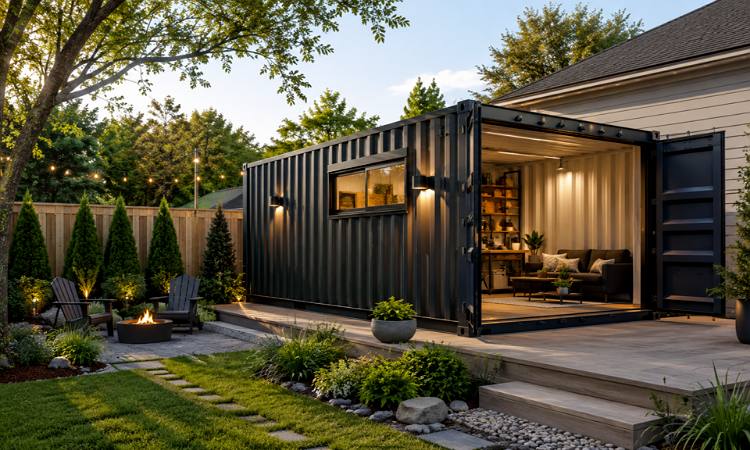
Outdoor spaces have evolved far beyond simple lawns and patios. Today, homeowners are increasingly looking for ways to make their properties more versatile, practical, and enjoyable throughout the year. Whether the goal is to create additional storage, establish a dedicated workspace, enhance outdoor entertainment areas, or support hobbies and recreational activities, maximizing the utility of available outdoor space has become a common priority.
One solution that has gained attention in recent years is the use of a 40 ft shipping container as a multifunctional outdoor structure. Originally designed for transporting goods across long distances, these durable steel units are now being adapted for a wide range of residential and commercial purposes. However, while container-based projects can offer significant advantages, they also present unique challenges and trade-offs that property owners should carefully consider before making a decision.
Understanding how these structures can contribute to outdoor functionality requires examining their benefits, limitations, design considerations, and long-term impacts on the overall property.
The Growing Demand for Flexible Outdoor Spaces
Modern lifestyles often place increasing demands on residential properties. Homeowners may require extra storage for seasonal items, tools, gardening equipment, recreational vehicles, or outdoor furniture. Others may seek dedicated spaces for remote work, creative pursuits, exercise, or entertainment.
Traditional solutions such as garages, sheds, and home additions can provide these benefits, but they may involve substantial construction costs, lengthy project timelines, and ongoing maintenance requirements. As a result, alternative structures have become increasingly attractive for individuals seeking adaptable and cost-effective ways to expand usable space.
Shipping container based structures stand out because they offer a pre-built framework that can be customized for numerous purposes. Their modular design allows property owners to transform them into workshops, studios, storage facilities, outdoor kitchens, pool houses, hobby rooms, or even guest accommodations, depending on local regulations and project goals.
Expanding Storage Capacity
One of the most practical ways these steel structures enhance outdoor functionality is through additional storage.
Many homeowners find that garages quickly become overcrowded with lawn equipment, bicycles, tools, sports gear, and seasonal decorations. A dedicated outdoor storage solution can help organize these items while freeing valuable space inside the home.
The advantage of using a large steel unit lies in its substantial interior volume. Its design allows users to store bulky items that may not fit comfortably in traditional backyard sheds. Additionally, the durable construction provides a level of protection against weather conditions that many lightweight storage alternatives may struggle to match.
However, maximizing storage capacity requires thoughtful planning. Simply filling the interior with miscellaneous items can create organizational challenges over time. Installing shelving systems, workbenches, and designated storage zones can significantly improve efficiency and accessibility.
Creating Dedicated Workspaces
The rise of remote work and home-based businesses has increased demand for separate work environments. Outdoor structures can serve as dedicated offices, workshops, or creative studios that provide a degree of separation from household distractions.
For individuals engaged in woodworking, crafting, automotive projects, or artistic endeavors, having a dedicated workspace can improve productivity while helping keep noise, tools, and materials outside the main living area.
The primary trade-off involves balancing functionality with comfort. A steel structure may require insulation, ventilation, electrical systems, and climate control measures to create a comfortable environment throughout the year. While these upgrades can transform the space into a highly functional workspace, they also increase project complexity and cost.
Property owners must therefore evaluate whether the anticipated benefits justify the investment required to achieve their desired level of comfort and usability.
Supporting Outdoor Entertainment
Outdoor living has become a major focus in residential design. Families increasingly use their backyards for gatherings, celebrations, and recreational activities.
Repurposed steel structures can support these goals in several ways. Some homeowners transform them into poolside lounges, outdoor bars, entertainment hubs, or covered seating areas. Others incorporate them into larger landscaping plans that create distinct zones for relaxation and social interaction.
The flexibility of these structures allows them to be customized according to specific lifestyle preferences. Large openings, retractable doors, and integrated seating can help blur the line between indoor and outdoor environments.
Nevertheless, design decisions often involve trade-offs between aesthetics and practicality. Larger openings can improve accessibility and visual appeal but may require structural reinforcement. Similarly, extensive customization can enhance user experience while increasing both initial costs and ongoing maintenance responsibilities.
Enhancing Property Organization
A functional outdoor space is often characterized by organization and efficient use of available land.
Many properties contain scattered equipment, gardening supplies, and recreational items that create visual clutter. Consolidating these belongings into a dedicated structure can improve overall organization while making outdoor areas feel more intentional and usable.
This organizational benefit extends beyond storage alone. By relocating equipment and supplies to a centralized location, homeowners may find it easier to maintain landscaping, manage projects, and access frequently used items.
At the same time, successful integration requires careful site selection. Poor placement can interfere with traffic flow, limit access to other outdoor amenities, or negatively affect the visual balance of the property.
Potential for Multi-Purpose Use
One of the most appealing characteristics of these steel units is their adaptability. Unlike many traditional structures that are designed for a single purpose, they can often evolve alongside changing needs.
A space initially used for storage may later become a workshop, fitness room, hobby area, or entertainment venue. This flexibility can provide long-term value by allowing homeowners to respond to shifting lifestyle requirements without constructing entirely new buildings.
However, achieving true multi-purpose functionality often requires careful planning during the design phase. Electrical infrastructure, lighting, ventilation, and interior layouts should accommodate potential future uses whenever possible.
Failing to anticipate future needs may limit adaptability and result in costly modifications later.
Design and Aesthetic Considerations
Functionality alone is rarely sufficient when introducing a large structure into a residential environment. Visual integration plays an important role in determining whether the addition enhances or detracts from the property’s overall appeal.
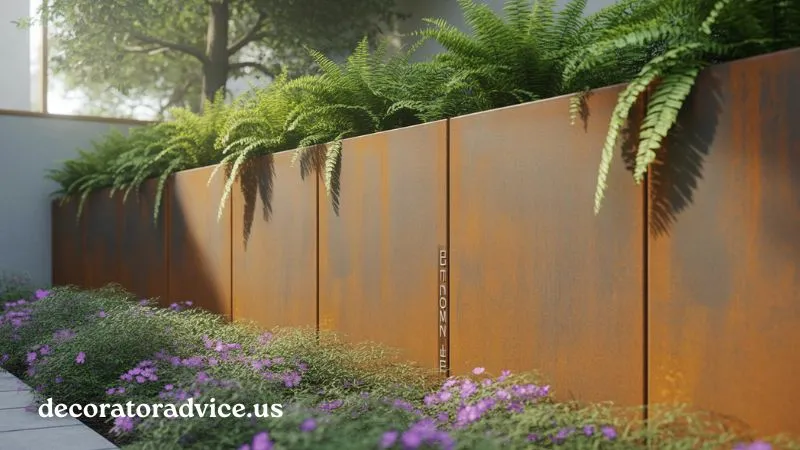
The industrial appearance of steel structures may complement contemporary architectural styles but can appear out of place in more traditional settings. To address this challenge, many property owners incorporate exterior finishes, landscaping elements, decorative screening, or architectural features that help the structure blend into its surroundings.
There is often a balance to strike between preserving the structure’s distinctive character and creating visual harmony with the existing property. Extensive customization can improve aesthetics but may reduce some of the cost advantages that initially made the project attractive.
Careful consideration of materials, colors, and surrounding landscaping can help achieve a more cohesive result.
Climate and Environmental Factors
Environmental conditions significantly influence the performance and usability of outdoor structures.
Steel is known for its durability, but it can also conduct heat and cold efficiently. In regions with extreme temperatures, interior conditions may become uncomfortable without appropriate insulation and ventilation measures.
Moisture management is another important consideration. Condensation can develop when temperature differences occur between interior and exterior surfaces, potentially affecting stored items and interior finishes.
Addressing these challenges often involves additional investments in insulation systems, ventilation equipment, moisture barriers, and climate-control solutions. While these upgrades can improve year-round functionality, they also contribute to overall project costs.
Property owners should evaluate local climate conditions carefully before selecting design features and construction approaches.
Cost Considerations and Value Assessment
Financial considerations play a central role in any property improvement project.
Compared with traditional construction methods, repurposed steel structures may offer certain cost advantages, particularly when a basic functional space is the primary objective. Their existing framework can reduce some construction requirements and potentially shorten project timelines.
However, cost comparisons are rarely straightforward. Site preparation, transportation, modifications, utility connections, insulation, and finishing work can substantially affect total project expenses.
In some cases, a minimally modified structure may deliver excellent value for storage purposes. In others, extensive customization may result in costs that approach those of conventional construction.
Evaluating long-term value requires considering not only initial expenses but also maintenance requirements, anticipated lifespan, adaptability, and potential contributions to property utility.
Regulatory and Site Planning Challenges
Before undertaking any outdoor improvement project, it is essential to understand applicable regulations and site constraints.
Zoning requirements, building codes, setback rules, homeowner association guidelines, and permit processes can all influence project feasibility. Certain locations may impose restrictions on placement, appearance, occupancy, or intended use.
Ignoring these requirements can result in delays, unexpected expenses, or compliance issues.
Site planning is equally important. Factors such as drainage, accessibility, foundation requirements, utility connections, and proximity to neighboring properties should be evaluated early in the planning process.
A well-positioned structure can enhance convenience and usability, while poor placement may create ongoing challenges.
Balancing Functionality, Cost, and Aesthetics
Perhaps the most significant challenge in any outdoor improvement project involves balancing competing priorities.
A highly customized structure may provide exceptional functionality and visual appeal but require a larger investment. A simpler design may offer affordability and practicality while sacrificing certain comfort or aesthetic features.
Similarly, maximizing storage capacity may limit opportunities for recreational use, while prioritizing entertainment space may reduce available storage.
Successful projects typically result from carefully identifying primary objectives and allocating resources accordingly. Understanding how different design decisions affect functionality, appearance, and cost can help homeowners make more informed choices.
Wrapping Up
Outdoor spaces have become increasingly valuable extensions of the home, serving purposes that range from storage and work to recreation and entertainment. Adaptable steel structures offer a versatile way to expand functionality without necessarily undertaking major traditional construction projects.
Their ability to support multiple uses, provide substantial storage capacity, and adapt to evolving needs makes them an attractive option for many property owners. At the same time, factors such as climate conditions, site planning, customization costs, regulatory requirements, and aesthetic integration must be carefully evaluated.
Ultimately, the decision to incorporate one of these structures into an outdoor environment should be guided by a clear understanding of both its advantages and limitations. By thoughtfully balancing functionality, cost, appearance, and long-term goals, property owners can create outdoor spaces that better support their lifestyles while maximizing the value and usability of their property.