
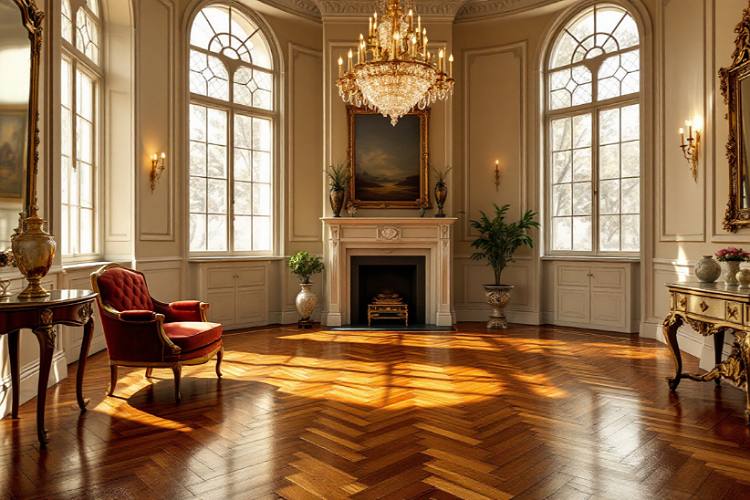
Heritage buildings carry historical, architectural, and cultural value that extends far beyond their physical structure. Churches, listed halls, period civic buildings, and historic institutions often feature original timber flooring that forms an integral part of their character. However, decades — and sometimes centuries — of use inevitably lead to surface wear, structural movement, and finish degradation.
Specialist wood floor restoration plays a critical role in preserving these buildings. Unlike modern commercial refurbishments, heritage restoration demands technical sensitivity, conservation awareness, and precision craftsmanship.
The Unique Challenges of Heritage Timber Floors
Historic wooden floors differ significantly from contemporary installations. They may consist of reclaimed hardwood boards, hand-cut planks, or traditional parquet patterns no longer widely produced. Subfloor structures can also be uneven or unsupported by modern standards.
Common issues in heritage settings include:
- Surface erosion from long-term foot traffic
- Embedded dirt and historical polish build-up
- Board movement caused by age-related timber contraction
- Inconsistent finishes from previous restoration attempts
- Localised damage due to moisture ingress
Restoration must address these issues without compromising original materials or architectural authenticity.
Balancing Conservation with Durability
In listed or protected buildings, restoration is not simply about aesthetics. It is about maintaining historical integrity while ensuring the space remains safe and functional for modern use.
Over-sanding can remove valuable material from original boards. Inappropriate finishes may alter the visual tone or prevent the timber from breathing naturally. Therefore, conservation-led restoration prioritises minimal material removal, sympathetic refinishing techniques, and finishes that align with the building’s historical character.
This balance between preservation and durability is what distinguishes specialist restoration from general refurbishment.
Churches and Historic Public Spaces
Churches in particular present distinct restoration requirements. Many contain large nave floors, aisles, and altar areas with timber surfaces that have endured generations of use. These floors often support heavy footfall during services, ceremonies, and community events.
Projects involving chruch floor restoration demand careful planning to protect architectural features, pew structures, and delicate surrounding materials. Work must also be scheduled sensitively to accommodate worship services and community activities.
Experienced restoration teams understand how to operate within these environments, combining conservation awareness with modern sanding technology designed to minimise dust and disruption.
Structural Stability and Surface Protection
Beyond visual renewal, restoration improves structural stability and long-term protection. Addressing loose boards, reinforcing subfloor areas, and applying appropriate commercial-grade finishes extends the lifespan of heritage flooring without altering its original character.
Proper sealing protects timber from moisture and contamination while maintaining its natural appearance. In high-use heritage spaces, such as civic halls or parish buildings, durable yet sympathetic finishes are essential.
Compliance and Safety in Historic Buildings
Heritage status does not exempt buildings from modern safety standards. Floor surfaces must still meet reasonable expectations for slip resistance and structural integrity.
Professional restoration ensures that aged timber surfaces remain compliant while retaining their historic value. This is particularly important in public-access buildings where visitor safety is paramount.
Sustainability Through Preservation
Restoring existing heritage timber floors is inherently sustainable. Rather than replacing historic materials, specialist restoration extends their life, reduces waste, and preserves craftsmanship that cannot easily be replicated.
In conservation contexts, restoration aligns environmental responsibility with cultural preservation.
Safeguarding Architectural Legacy
Heritage buildings tell stories through their materials. Timber flooring, shaped by decades of use, carries visible traces of history. When restored correctly, these surfaces regain structural integrity and aesthetic clarity without losing authenticity.
Specialist wood floor restoration protects more than a physical asset — it safeguards architectural legacy. Through careful assessment, conservation-sensitive techniques, and precision execution, heritage timber floors can continue serving future generations while retaining the character that defines them.

