
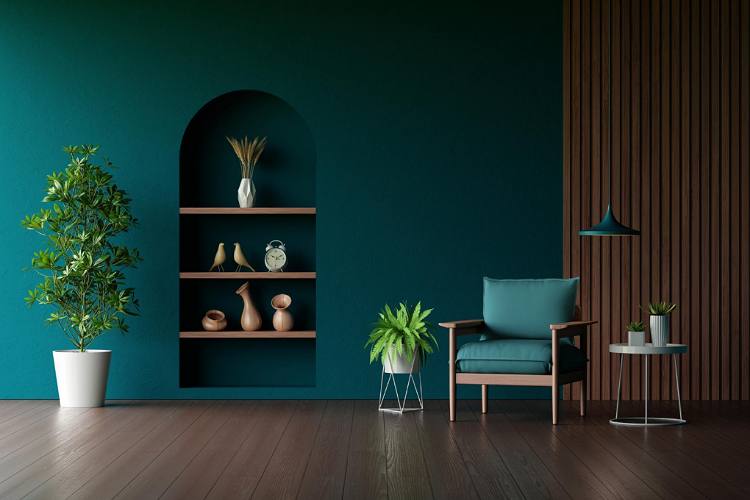
There’s a strange thing that happens when a room just doesn’t feel right. You’ve picked beautiful furniture, painted the walls a color you love, and hung artwork with care, yet something feels off. You can’t quite name it. Guests walk in, and the energy feels awkward, cluttered, or cold. The room looks designed, but doesn’t feel designed.
That invisible quality, the one that separates a room that breathes from one that suffocates, is called flow. And it’s surprisingly easy to kill without realizing it.
Let’s walk through the most common home decor mistakes that disrupt a room’s flow, and more importantly, how to fix them.
Ignoring the Room’s Natural Traffic Paths
Flow isn’t just a visual concept; it’s also physical. People need to move through a space comfortably, and when furniture blocks natural walking paths, the entire room feels tense.
A sofa pushed too far forward, a coffee table that forces you to turn sideways, or a console table jammed against a doorway- these are all flow killers. The rule of thumb is to maintain at least 30 to 36 inches of clearance between major furniture pieces and walkways.
Walk through your room the way you naturally would. If you find yourself dodging around things or instinctively pausing before entering, your traffic flow has a problem.
Quick fixes:
- Pull furniture away from walls slightly to create a sense of depth
- Keep pathways between seating areas wide and unobstructed
- Avoid placing decorative items on the floor near doorways or entry points
Choosing the Wrong Rug Size
Underestimating rug size is one of the single most common mistakes in home decorating. A rug that’s too small makes furniture look like it’s floating on an island, disconnects pieces from each other, and creates visual chaos even in a well-styled room.
The rug is supposed to anchor your furniture arrangement. When it’s the wrong size, nothing feels grounded.
When designing a living room, make sure that every significant piece of furniture has at least its front legs resting on the rug. The rug in a dining room should be long enough so that chairs stay on it even when they are moved away from the table.
Going one size bigger than you think you need is almost always the right move.
Overlooking the Door and Entryway Experience
Here’s something most people don’t think about: your room’s flow starts before anyone sits down. It starts the moment someone opens the door.
If a door swings awkwardly, hits furniture, or opens into a cramped space, it immediately disrupts the experience of entering a room. The entryway, whether it’s a grand foyer or a simple transition from the hallway, sets the tone for everything that follows.
This is also where structural decisions matter more than people realize. If you’re renovating or reconfiguring a space, understanding the door rough opening is essential. The rough opening determines the actual door size, its swing radius, and how much usable wall space you have on either side, all of which directly affect how furniture can be placed and how the room flows from entry to interior.
A door that’s poorly sized for its opening can stick, swing too wide, or leave awkward gaps that affect both aesthetics and function. These aren’t just technical issues; they’re flow issues.
Poor Lighting Choices That Flatten the Space
Lighting does more than illuminate; it shapes mood, defines zones, and gives a room dimension. Relying on a single overhead light is the quickest way to make even a beautifully decorated room feel flat and uninspiring.
Task lighting is used in practical areas, ambient lighting is used for general illumination, and accent lighting is used to draw attention to artwork or architectural aspects.
Signs your lighting is disrupting flow:
- Every corner of the room feels equally bright (no visual interest)
- Shadows fall awkwardly on faces or furniture
- The room feels like a hospital corridor after dark
Adding floor lamps, table lamps, and even candles in strategic spots can completely transform how a space feels. Dimmer switches are one of the most underrated investments in home decor.
Hanging Artwork Too High or Too Low
This one is everywhere. Walk into most homes, and you’ll find art hung at a height that makes no visual sense, too close to the ceiling, too far from the furniture below it, or so low it looks like an afterthought.
Generally speaking, artwork should be hung with its center at eye level, around 57 to 60 inches off the ground. Make sure there are 6 to 12 inches of space between the top and bottom of the artwork when hanging it above furniture.
Art that’s disconnected from the furniture below it creates a jarring visual break. Your eye doesn’t know where to land, and the room loses cohesion.
Overcrowding Surfaces and Shelves
There’s a version of decorating that’s really just accumulating. Every shelf filled to the edge, every surface covered with objects, every wall holding something. It feels maximalist but often just reads as cluttered.
Visual breathing room is not wasted space; it’s intentional design. The empty spaces around objects are what allow your eye to actually appreciate them.
When styling a shelf or a console table, follow a simple principle: if you can’t tell what the focal point is, you have too much on it.
A simple editing approach:
- Remove everything from the surface
- Add back only what genuinely adds to the room’s story
- Group items in odd numbers (threes and fives tend to feel most natural)
- Vary height and texture, but keep it restrained
Mismatched Scales and Proportions
A tiny lamp on a massive side table. A large sectional in a small room. A petite armchair drowning next to an oversized sofa. Scale mismatches are immediately felt even when they’re not consciously noticed.
Every piece of furniture and decor in a room should feel like it belongs in the same universe. That doesn’t mean everything has to match; it means proportions need to be considered in relation to each other and to the room itself.
Before buying any large furniture piece, measure your space carefully and sketch a rough floor plan. What looks stunning in a showroom may overwhelm a normal-sized living room or disappear entirely in a large open-plan space.
Forgetting to Define Zones in Open-Plan Spaces
Open-plan living is beautiful in theory and chaotic in practice when zones aren’t clearly defined. Without visual boundaries, a large open space can feel like one big, purposeless room rather than a thoughtfully organized home.
Rugs, lighting, furniture arrangement, and even ceiling treatments can all be used to define zones without building walls. A dining area feels intentional when a pendant light hangs directly over the table. A reading nook becomes its own world when framed by a bookshelf and a floor lamp.
Common zoning mistakes:
- Using the same flooring treatment with no variation to suggest transitions
- Placing all furniture against the walls (this actually makes rooms feel smaller)
- Ignoring the ceiling plane entirely when defining space
- Failing to create a focal point within each zone
Using Too Many Colors or Too Few
Color is one of the most powerful tools in interior design and one of the most misused. A room with too many competing colors feels chaotic and visually exhausting. A room with too little color variation feels cold and monotonous.
The classic approach is to work with a 60-30-10 rule: 60% of the room in a dominant color (usually walls and large furniture), 30% in a secondary color (textiles, accent chairs), and 10% in an accent color (pillows, artwork, small accessories).
What breaks flow isn’t any specific color; it’s the lack of intentional relationships between colors. When every piece is a different hue with no connective thread, the eye doesn’t know where to rest.
Neglecting the Transition Between Rooms
Flow doesn’t stop at the walls of one room. It continues through the entire home. When adjacent rooms clash dramatically in style, color, or energy, the overall experience of moving through the space feels jarring.
This doesn’t mean every room needs to look the same. It means there should be a visual language that connects them, a recurring color, a consistent material, or a shared design sensibility that ties everything together.
A good exercise: stand in the hallway (or at the doorway) and look into two rooms at the same time. Do they feel like they belong in the same home? If the answer is no, consider what subtle element could bridge them.
Understanding how openings between spaces work their width, framing, and relationship to what’s beyond them matters here, too. Just as with the door rough opening, the physical dimensions of transitions between rooms shape what’s possible on both sides of them.
Conclusion
A room with good flow doesn’t happen by accident. It’s the result of thoughtful decisions layered on top of each other, from the size of a rug to the height of artwork to the way a door swings open on a Tuesday morning.
The mistakes covered here aren’t about taste. They’re about structure. They’re the invisible framework that either supports your design choices or quietly undermines them.
Here’s the takeaway worth sitting with: most flow problems aren’t about having the wrong things. They’re about placing the right things in the wrong relationship to each other. Design, at its core, is about relationships between objects, between spaces, and between the people moving through them.
Fix the relationships, and the room will start to breathe on its own.

