
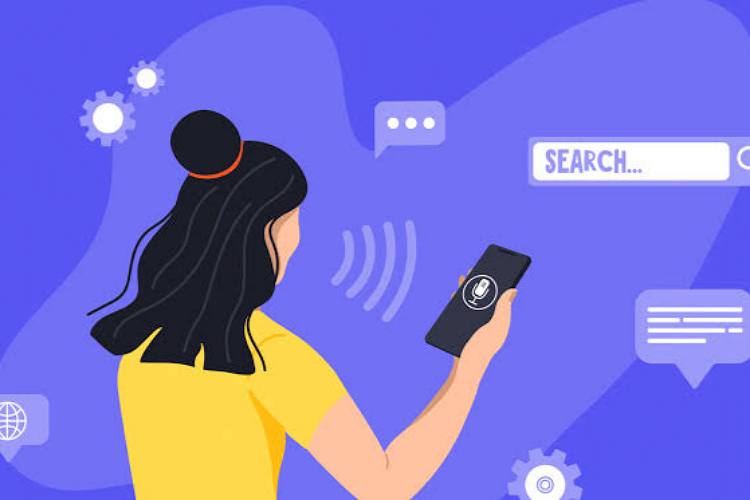
Around 46% of Americans use digital voice assistants, but not everybody understands the whole picture of how they work.
As more and more people integrate them into their homes and smartphones, many ask: Are these voice assistants helpful, or are they intrusive?
The answer is that it’s a bit of both. Here’s what you need to know if you’re considering having a voice assistant in your home.
Why Are People Using Voice Assistants at Home?
Voice assistants are becoming more popular for homeowners because they simplify everyday tasks.
Smart devices with voice assistance features can be used to control lighting, music, temperature, and other features without having to push a button or touch a screen.
They can also play a big part in how a home looks and feels overall. Those who plan to use voice assistants now design their homes with them in mind, influencing, for example, where devices are placed or how rooms are arranged.
Why Voice Assistants Are Helpful
The most attractive thing about voice assistants is the unparalleled convenience. Hands-free control means there’s no need to reach for your phone or stand up to get the remote.
You can easily adjust things with a single voice command while you’re cooking, taking a shower, or busy with something else.
The small efficiencies and conveniences add up over time, especially if your house is particularly busy.
Voice assistants are also great for accessibility, helping individuals with limited mobility and visual impairment. Setting reminders, adjusting the lights, and accessing information—these tasks are all made easier due to only needing spoken commands.
Another benefit is smart home integration. Voice assistants often serve as hubs where multiple devices are connected, from thermostats and smart locks to lights and security cameras.
Instead of having to juggle multiple remotes or apps, homeowners can manage all these devices with simple voice commands. This can save you a few minutes whenever you leave the house, for example.
Limitations to Keep in Mind
Still, voice assistants aren’t perfect.
While they have come a long way, speech recognition can still struggle to register your voice command, especially with accents, background noise, or multiple people talking at once. You may have to repeat your voice commands a few times. Meanwhile, a simple button will always do the trick.
Voice assistants also need a stable internet connection since they rely on cloud processing. When Wi-Fi is unstable, voice assistants won’t work smoothly.
In addition, voice assistants have limited capacity for complex tasks. They can handle simple commands very well, like turning off lights, but if your command involves multiple steps, they might not know what to do.
They also play a part in a home’s aesthetics. Most smart speakers and displays have a modern, techy look, so you’ll need to ensure they visually fit in with the rest of the room. Otherwise, they might look like clutter, especially in more traditional-looking interiors.
Privacy and Intrusiveness Concerns
So, how can voice assistants be intrusive?
To explain, here’s a rundown of how voice assistants work.
At all times, a voice assistant is in a low-power listening state, waiting for a wake word (i.e., a word or phrase that’s linked to a command).
Once it hears a wake word, the audio of your voice command with the wake word is recorded and sent to the device’s server to be processed. Once processed, the voice assistant can trigger an action following the command.
Sometimes, however, it can capture unintended audio. For example, if someone in the house says, “Did you turn off the lights?” the voice assistant might mistake that for a command and actually turn off the lights.
Google recently settled a privacy lawsuit for $68 million over voice assistant recordings. The tech giant denied illegally recording private conversations to send targeted ads.
There are also concerns about how long recordings are stored and who can access them. There’s also unease about the fact that, technically speaking, a voice assistant is always listening in on your conversations—especially in private spaces like bedrooms.
Conclusion: What to Keep in Mind When Using Voice Assistants
So, if you’re considering using a voice assistant, here are a few suggestions and some things to keep in mind.
- Review privacy settings on your voice assistant app and delete stored voice history regularly. Some tech-savvy customers use a virtual private network (VPN) to encrypt their connections and hide their activity from their internet providers to avoid further privacy concerns. Here’s a quick resource explaining VPN meaning and how it works.
- Select the right voice assistant by doing research and reading reviews. Choose those that have transparent privacy policies.
- Choose placement carefully—for aesthetic, practicality, and privacy reasons.
- Use voice assistants selectively for tasks that genuinely improve daily routines. Avoid using them for commands that might be sensitive privacy-wise.
By doing the things above, you can enjoy the convenience and accessibility of voice assistants while limiting the risks to your privacy. As long as you use and integrate them thoughtfully, they can be a great addition to your home.

