
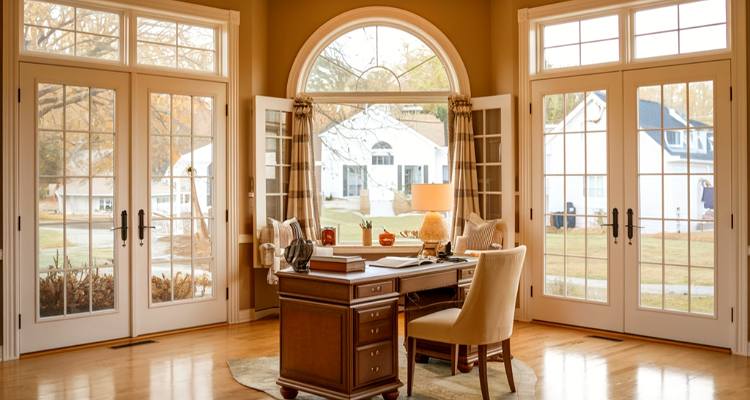
The shift to remote work has fundamentally changed how we think about home design. What was once a spare bedroom or corner desk has evolved into a critical workspace that demands the same attention to comfort and functionality as any corporate office. Yet many remote workers overlook one of the most impactful elements of office design: windows.
The right windows do far more than frame a view. They regulate temperature, filter noise, control natural light, and directly influence energy costs—all factors that determine whether your home office feels like a refuge or a source of daily frustration. For homeowners searching for replacement windows near me, the decision involves balancing aesthetics, performance, and long-term value.
This guide explores how modern replacement windows can reshape your work environment, what to look for in quality installation services, and how to evaluate contractors in your area.
Why Windows Matter More Than You Think
Windows are among the most thermally vulnerable points in any home. According to the Department of Energy, heat gain and loss through windows account for 25–30% of residential heating and cooling energy use. In a home office where you spend eight or more hours daily, that inefficiency translates directly into discomfort and higher utility bills.
Modern replacement windows address these issues through advanced glazing, improved seals, and better frame materials. Here’s what quality windows deliver:
- Thermal Stability: Low-E coatings and argon gas fills reduce heat transfer, keeping your office comfortable year-round without overworking your HVAC system.
- Acoustic Insulation: Laminated glass and tight seals dampen street noise, lawn equipment, and neighborhood activity—critical for video calls and focused work.
- Glare Control: Properly positioned windows with the right glazing maximize natural light while minimizing screen glare and eye strain.
- UV Protection: Quality windows block harmful ultraviolet rays that fade furniture, artwork, and flooring over time.
Beyond performance metrics, windows shape the psychological experience of a workspace. Research published in the Journal of Environmental Psychology shows that access to natural light and outdoor views reduces stress, improves mood, and enhances cognitive performance. A well-designed home office with thoughtful window placement can genuinely improve your workday.
Evaluating Window Replacement Services in Your Area
Finding a reliable contractor requires more than a quick Google search. The window replacement industry includes everyone from national chains to local specialists, and quality varies dramatically. Here’s how to separate competent professionals from mediocre installers:
- Verify Credentials: Look for contractors with manufacturer certifications, proper licensing, and comprehensive insurance. These aren’t just formalities—they indicate training and accountability.
- Assess Product Knowledge: A quality contractor should explain the differences between vinyl, fiberglass, and composite frames, discuss U-factor and Solar Heat Gain Coefficient ratings, and recommend specific products based on your home’s orientation and climate.
- Review Past Work: Ask for references and photos of completed projects. Pay attention to trim work, flashing details, and overall finish quality—these reveal craftsmanship.
- Understand Warranties: Reputable companies offer both product warranties (from manufacturers) and installation warranties (covering labor and fit). Read the fine print on coverage duration and what voids the warranty.
- Compare Detailed Estimates: Avoid vague quotes. Quality estimates specify window models, glass packages, installation methods, and timeline. This transparency helps you compare apples to apples.
For homeowners in Bucks County, partnering with established local providers such as Tom Adams Window & Carpets Company offers the benefit of regional expertise and accountability. Contractors familiar with Pennsylvania’s climate—ranging from humid summers to freezing winters—can recommend solutions designed to perform reliably under these seasonal extremes. Comparable providers like Pella Windows & Doors and Renewal by Andersen also deliver climate-adapted window and door installation services focused on durability, energy efficiency, and long-term performance.
What Professional Installation Actually Involves
Even premium windows fail if installed poorly. The installation process determines whether your windows perform as designed or become sources of air leaks, water intrusion, and structural problems. Here’s what professional installation should include:
- Thorough Assessment: Before ordering windows, installers should measure existing openings, check for square and level, inspect framing for rot or damage, and identify any structural issues that need addressing.
- Proper Preparation: The window opening must be clean, square, and properly flashed. Quality installers use flexible flashing tape and sealants designed for long-term weatherproofing.
- Precise Fitting: Windows should be shimmed level and plumb, with consistent gaps around the perimeter. Forcing a window into an out-of-square opening creates stress points that lead to seal failure.
- Insulation and Sealing: Gaps between the window frame and rough opening should be filled with low-expansion foam insulation, not over-stuffed with fiberglass. Proper sealing prevents air infiltration without bowing the frame.
- Interior and Exterior Finishing: Professional work includes clean trim installation, caulking, and paint-ready surfaces. Sloppy finishing undermines even the best window performance.
According to This Old House, One of the main reasons windows fail is incorrect installation, which frequently voids manufacturer warranties. This makes contractor selection as important as the windows themselves.
Choosing the Right Windows for Your Home Office
Not all windows suit all spaces. Your home office’s orientation, size, and use patterns should guide your selection. Consider these factors:
- Orientation Matters: South-facing offices receive intense sunlight and benefit from low Solar Heat Gain Coefficient glass to reduce cooling loads. North-facing spaces prioritize insulation over solar control.
- Ventilation Needs: Casement and awning windows provide better airflow control than double-hung styles, useful if you prefer fresh air over constant air conditioning.
- Noise Environment: If your office faces a busy street, laminated glass offers superior sound dampening compared to standard insulated units.
- Aesthetic Consistency: Replacement windows should complement your home’s architectural style. Mismatched window styles diminish curb appeal and resale value.
Many homeowners also consider broader home office design strategies when planning window replacements, ensuring that natural light, furniture placement, and color schemes work together cohesively.
Maintaining Your Investment
Quality windows should last 20–30 years with minimal maintenance, but neglect accelerates wear. Simple habits extend window life and preserve performance:
- Clean Regularly: Wash glass and frames twice yearly with mild soap and water. Avoid abrasive cleaners that damage coatings or finishes.
- Inspect Seals and Weather Stripping: Check for cracks, gaps, or deterioration annually. Replace weather stripping at the first sign of wear to maintain energy efficiency.
- Lubricate Moving Parts: Apply silicone spray to hinges, locks, and tracks to ensure smooth operation and prevent binding.
- Clear Weep Holes: These small drainage openings in the bottom of window frames prevent water accumulation. Keep them clear of debris.
- Monitor Condensation: Excessive interior condensation signals humidity problems, not window failure. Address the underlying moisture source rather than blaming the windows.
The Return on Investment
Replacement windows represent a significant expense, typically ranging from $300 to $1,000 per window installed, depending on size, style, and features. However, the investment delivers measurable returns:
- Energy Savings: The Department of Energy estimates that replacing single-pane windows with Energy Star-certified models saves $126–$465 annually, depending on climate zone and heating fuel.
- Increased Home Value: Window replacement is consistently ranked among the best renovations for resale value in Remodeling Magazine’s Cost vs. Value Report, recovering 70–80% of costs in the majority of markets.
- Improved Comfort: Eliminating drafts, reducing noise, and stabilizing temperatures creates a more pleasant living and working environment—benefits that compound daily.
- Reduced Maintenance: Modern windows require far less upkeep than older wood units prone to rot, painting, and hardware failure.
For remote workers who spend the majority of their time at home, these benefits justify the upfront cost. A comfortable, efficient home office isn’t a luxury—it’s infrastructure that supports productivity and well-being.

