
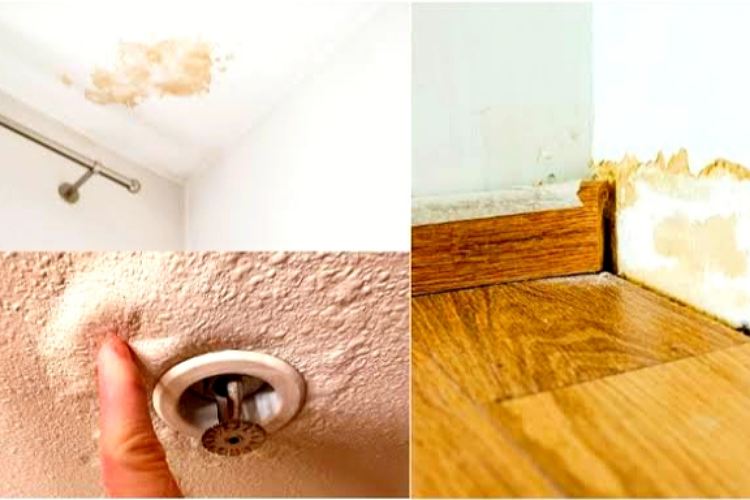
Water damage can happen without much warning. A burst pipe, leaking roof, overflowing appliance, or heavy rain can quickly leave parts of your home wet and damaged. Even a small amount of water can cause bigger problems if it isn’t cleaned up right away.
The best way to fix water damage is to stop the water source, remove standing water, dry everything completely, and repair any damaged materials. Acting fast helps prevent mold, protects your home’s structure, and lowers repair costs. Knowing what to do first can make a big difference.
Why Immediate Action Is Important
Water damage doesn’t stay in one place for long. It can spread into walls, floors, ceilings, and furniture within hours. The longer water sits, the harder and more expensive it becomes to fix.
Quick action also helps prevent mold growth and permanent damage. Mold can begin growing within 24 to 48 hours if materials stay wet. Drying your home as soon as possible gives you the best chance of avoiding bigger repairs.
Water Damage Gets Worse Over Time
Drywall acts like a sponge and absorbs water quickly. Wood can swell, floors may buckle, and paint can begin peeling. What starts as a small leak can turn into a major repair if it is ignored.
Mold Can Grow Quickly
Moisture creates the perfect environment for mold. Once mold starts growing, it can spread behind walls and under flooring where it is hard to see. It may also cause musty odors and affect indoor air quality.
The Best Way to Fix Water Damage Step by Step
Fixing water damage is about more than drying what you can see. Hidden moisture can stay inside walls, insulation, and subfloors long after the surface feels dry. Following the right steps helps protect your home from future problems.
Every situation is different, but the overall process stays the same. Whether the damage comes from a small leak or a flooded room, taking each step carefully helps restore your home safely. If the damage is extensive, professional restoration is usually the safest choice.
Stop the Source of Water
The first step is stopping the water from entering your home. Turn off the water supply if a pipe has burst or fix the source of the leak before starting cleanup. If rain or flooding is involved, wait until it is safe before entering affected areas.
Turn Off Electricity if Needed
Water and electricity are a dangerous combination. If water has reached electrical outlets or appliances, turn off the power at the breaker if you can do so safely. If you are unsure, call an electrician or restoration professional before entering the area.
Remove Standing Water
Standing water should be removed as quickly as possible. Wet vacuums, pumps, or buckets can help with smaller jobs, while professionals use powerful extraction equipment for larger floods. Removing water early speeds up the drying process.
Dry the Area Completely
After the water is gone, everything needs to be dried thoroughly. Open windows if weather allows, use fans, and run dehumidifiers to remove excess moisture. Professionals also use moisture meters to check for water hidden behind walls and under flooring.
Remove Water-Damaged Materials
Some materials cannot be saved once they become soaked. Wet carpet padding, damaged insulation, and badly affected drywall may need to be removed to prevent mold growth. Saving damaged materials often causes more problems later.
Clean and Sanitize All Affected Areas
Cleaning is just as important as drying. Surfaces should be disinfected to remove bacteria, dirt, and other contaminants left behind by the water. This step also helps reduce odors and keeps the space healthier.
Repair or Replace Damaged Materials
Once everything is dry, repairs can begin. This may include replacing drywall, flooring, trim, cabinets, or repainting damaged walls. The goal is to return your home to a safe and comfortable condition.
Can You Fix Water Damage Yourself?
Small water damage can sometimes be handled without professional help. A minor spill or a small plumbing leak that is cleaned and dried quickly may not cause lasting damage. You still need to watch the area for signs of moisture or mold over the next few days.
Larger water damage is a different story. Flooding, sewage backups, ceiling leaks, or water inside walls usually require specialized equipment and experience. Calling a restoration company can help prevent hidden damage that may not be visible right away.
DIY May Be Suitable For
You can usually handle small areas affected by clean water if you act quickly. Make sure the area is dried completely and check for any signs of mold or damage afterward. If the problem gets worse, it is time to call a professional.
Call Professionals When
Professional help is recommended if water has spread through several rooms or soaked building materials. You should also call experts if you notice mold, structural damage, or electrical hazards. They have equipment that can find and remove hidden moisture.
Signs You Need Professional Water Damage Restoration
Some damage is easy to spot, but other problems stay hidden. A musty smell, soft drywall, warped flooring, or sagging ceilings often mean moisture is still trapped inside your home. These signs should not be ignored.
Professional restoration companies use specialized tools to inspect areas that are difficult to reach. They can detect moisture inside walls, under floors, and in other hidden spaces before it causes more damage. Early treatment usually saves time and money.
Common Mistakes to Avoid
One of the biggest mistakes is waiting too long to start cleanup. Water damage keeps spreading even if it looks like the surface is drying. Delaying repairs often leads to mold growth and higher restoration costs.
Another common mistake is covering up the problem instead of fixing it. Painting over water stains or drying only the surface will not remove hidden moisture. Taking the time to dry and inspect the entire area helps prevent future issues.
How Professionals Restore Water Damage
Professional restoration starts with a full inspection of the affected area. They use moisture meters, thermal imaging cameras, and other tools to locate hidden water. This helps create a complete drying and restoration plan.
Next, they remove standing water, dry the structure, sanitize affected areas, and complete any needed repairs. Their equipment works much faster than household fans and helps prevent mold from developing. If you are dealing with extensive water damage, get help from water restoration professionals to make sure your property is dried, cleaned, and restored properly.
Inspection
Professionals begin by checking how far the water has spread. They inspect walls, ceilings, flooring, and nearby rooms for hidden moisture. This helps them decide the best restoration approach.
Moisture Detection
Specialized tools can find moisture that cannot be seen with the naked eye. Moisture meters and thermal cameras help identify wet areas inside walls and floors. Finding hidden water is an important step before drying begins.
Water Extraction
Industrial pumps and extraction machines remove large amounts of standing water quickly. Faster water removal reduces damage to building materials and personal belongings. It also shortens the overall restoration process.
Structural Drying
Air movers and commercial dehumidifiers dry the home after extraction. Professionals monitor moisture levels during the process to make sure everything dries properly. This reduces the chance of mold developing later.
Mold Prevention
Once the area is dry, affected surfaces are cleaned and treated when needed. This helps stop mold spores from growing in damp spaces. Keeping moisture under control is the best way to prevent mold.
Repairs and Reconstruction
The final step is repairing damaged parts of the home. This may include replacing drywall, flooring, trim, or other materials that could not be saved. The goal is to restore both the appearance and safety of the property.
How to Prevent Future Water Damage
Preventing water damage starts with regular home maintenance. Check your plumbing, roof, gutters, and appliances for signs of leaks before they become bigger problems. Replacing worn parts early can save you from expensive repairs later.
It also helps to keep an eye on indoor humidity and address moisture as soon as you notice it. Installing a sump pump, cleaning gutters, and inspecting your water heater can lower your risk of future water damage. A little prevention now can protect your home for years to come.
Conclusion
The best way to fix water damage is to act quickly and follow the proper restoration steps. Stopping the water source, removing standing water, drying every affected area, and repairing damaged materials can prevent much bigger problems. Taking shortcuts often leads to mold and more expensive repairs.
If the damage is widespread or you suspect moisture is hiding behind walls or under floors, it is best to contact a professional water damage restoration company. Experienced technicians have the equipment needed to restore your home safely and completely. Getting expert help early can save both time and money.

