
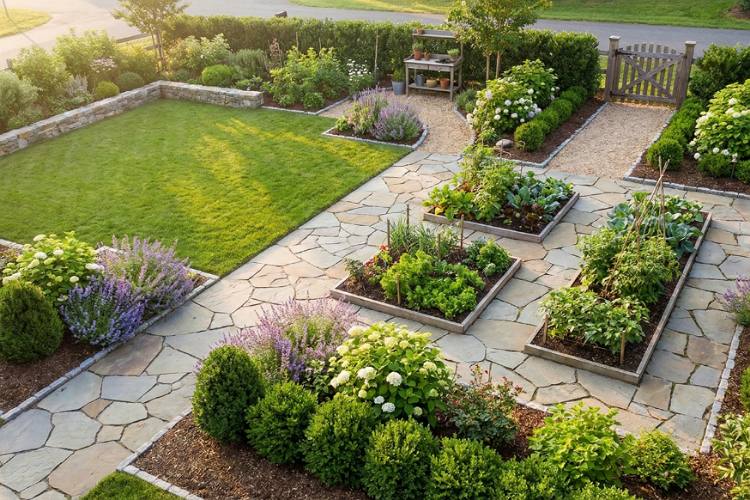
Planning a garden layout is important for creating a great outdoor area. The layout of pathways, garden beds, and green areas impacts the area’s usefulness, aesthetic appeal, and sustainability, regardless of the size of the commercial landscape or the backyard. A well-designed garden promotes healthy plant development, is simple to maintain, and feels natural to walk through.
This article explains how to approach garden layout planning step by step, focusing on designing walkways, planting beds, and open green areas that work together as a complete system. The concepts discussed here are simple to comprehend and applicable to a variety of US property types and climates.
Start With Purpose and Flow
Knowing how the garden will be utilised is crucial before choosing plants or materials. Planning a garden layout always starts with a goal, such as building an artificial turf playground for kids. While some gardens are made for leisure, others are made for play, entertainment, or plant cultivation. Many outdoor areas have multiple uses.
Consider the flow of individuals through the area. Walkways should make it easy and natural to walk from one place to another. The garden feels pleasant and well-organized when there is a clear flow. Even a stunning environment might seem uneasy or unclear due to poor flow.
Drawing a simple layout with entrances, exits, sitting sections, and important focus points is helpful. This initial stage of designing a garden layout helps determine the locations of beds, paths, and green areas while preventing congestion.
Designing Walkways That Feel Natural
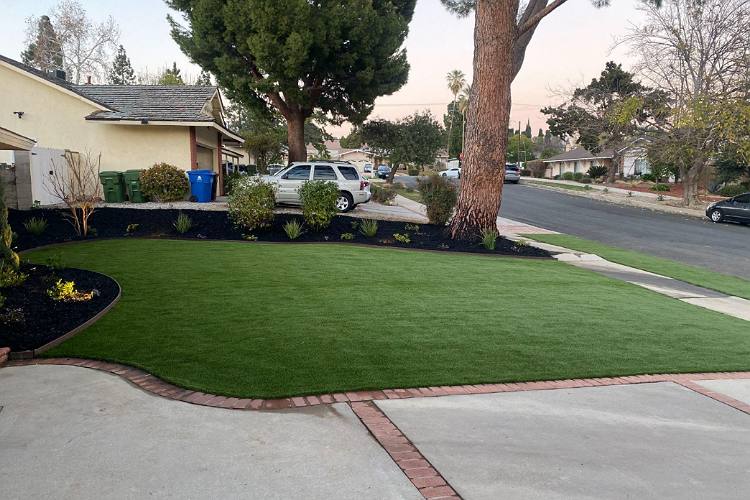 When developing a garden layout, walkways are among the most crucial components. They affect how people see the place and link disparate parts of the environment. A well-designed walkway should be safe, easy to use, and aesthetically pleasing.
While curving walkways produce a softer, more laid-back atmosphere, straight walks are ideal for formal gardens or direct entry points. The walkway’s width should be appropriate for its intended use. While side roads might be narrower, main paths should be sufficiently broad for two persons to travel comfortably.
Materials are also very important. Due to their durability and ability to fit in with their natural surroundings, stone, concrete pavers, gravel, and brick are frequently employed. Guidelines from https://www.usa.gov state that outdoor pathways, particularly in shared or public areas, should be planned with accessibility and safety in mind.
Another important factor is proper drainage. To avoid water pooling, which can cause damage and slip hazards, walkways should have a modest slope.
Planning Garden Beds for Balance and Growth
Garden beds provide the landscape with visual appeal and structure. When designing a garden layout, beds should be positioned to promote plant health and improve the overall aesthetics.
Start by taking water availability, soil conditions, and sunshine. Similar-needs groups of plants are more likely to flourish and require less care. Beds positioned next to fences or along paths serve to direct the eye and frame the area.
Because they enhance soil quality and drainage, raised beds are a popular choice. They also simplify upkeep and planting. Garden beds, whether in-ground or raised, should have distinct borders to maintain a tidy and well-organized design.
To add depth, use plants with a range of heights, textures, and colours. Lower plants fill in the front of beds, whereas taller plants are typically positioned in the centre of island beds or in the rear of beds. One of the fundamentals of designing a successful garden layout is the layering approach.
Creating Functional Green Spaces
Open areas that allow the landscape to breathe are known as green spaces. These regions might be ground cover, lawns, or plain open expanses with lots of options. When designing a garden layout, green spaces give areas for relaxation and activity while contrasting with walks and beds.
The magnitude of the property should be reflected in the extent of the green areas. While tight gardens might benefit from smaller green spaces as visual breaks, large lawns are ideal for wide landscapes. Avoiding crowding while preserving equilibrium is the aim.
The design of sustainable green spaces is becoming increasingly crucial. Government resources highlight the advantages of conserving water and selecting ecologically friendly landscaping techniques. Native ground coverings and low-water grass substitutes are frequently employed to further conservation objectives.
Connecting Elements With Visual Harmony
The visual connections between all the parts are one of the most neglected aspects of garden layout planning. Instead of seeming like distinct elements, walkways, beds, and green areas should blend to form a cohesive design.
Harmony may be achieved by repeating forms, colours, and materials. For instance, flower bed borders or seating spaces might utilise the same stone as is used for pathways. Planting design can encourage flow by mirroring route curves.
Trees, sculptures, and sitting sections are examples of focal points that help organise the arrangement and provide a location for the eye to rest. These elements ought to be placed where trails inevitably lead or where green areas become accessible.
Designing for Maintenance and Longevity
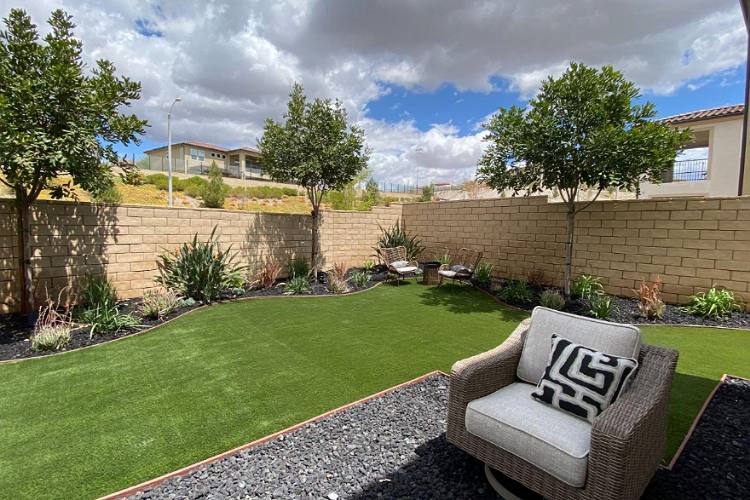 A well-planned garden should be simple to keep up. Planning a garden layout without considering long-term maintenance often leads to dissatisfaction and neglect. Simple design decisions have a significant impact.
High-maintenance plants should be kept near water sources. Steer clear of tight areas that are hard to reach with equipment. Select long-lasting materials for pathways that can withstand foot traffic and weather over time.
Mulch in garden beds promotes soil health, weed control, and moisture retention. Plants that are properly spaced from one another can flourish and require less frequent trimming.
The U.S. Department of Energy emphasises the importance of effective exterior design in reducing resource use. Their suggestions encourage landscaping techniques that use intelligent design to conserve energy and water.
Adapting Garden Layouts to Climate
When designing a garden layout, climate is a key consideration. Designs that operate well in one area may not in another. Making informed judgments is aided by knowledge about local temperature ranges, rainfall patterns, and weather patterns.
Drought-tolerant plants and shaded paths enhance sustainability and comfort in warmer regions. Open green spaces and light exposure can be more important in colder climates.
Success increases, and upkeep decreases, when using plants appropriate for the area. Because they sustain local ecosystems and organically adapt to their surroundings, native plants are frequently the best option.
Designing Spaces That Feel Inviting
Garden layout planning should prioritise aesthetics above practicality. Gardens are supposed to be enjoyed, whether for leisure, socialising, or introspection.
People are encouraged to stop and observe their surroundings by the presence of seating spots along sidewalks or in green areas. Wide views, layered vegetation, and soft contours create a sense of comfort and ease.
Additionally, lighting may improve safety and usefulness. In addition to extending garden usage into the evening, soft lighting near seating areas and along paths draws attention to design elements.
You can also seek professional help for artificial turf installation in Los Angeles.
Conclusion
A well-planned garden layout for an artificial turf playground strikes a balance between sustainability, utility, and aesthetics. Over time, outdoor spaces become more usable and pleasurable when garden beds, pathways, and green areas are well designed.
Open green areas offer flexibility and balance, well-placed beds sustain healthy plants, and clear pathways direct activity. The garden feels deliberate rather than accidental when these components come together.
Planning a new landscape or making improvements to an existing one requires careful layout design to produce better outcomes and long-term enjoyment. Planning a garden layout involves more than simply aesthetics. It involves designing outdoor areas that are harmonious with their surroundings and the people who utilise them.

