
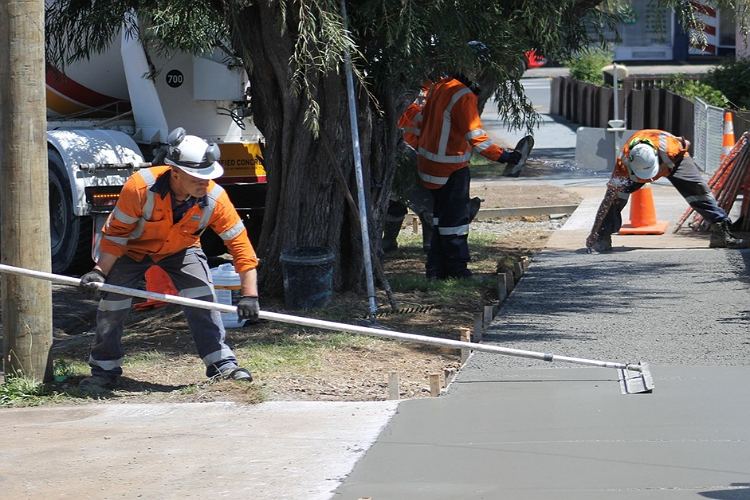
You’ve just invested in a beautiful new concrete driveway, and you’re eager to start using it. The contractor finished yesterday, and you need to move your car from the street. Or perhaps you’re wondering if delivery trucks can access your driveway for furniture arriving next week. Understanding proper curing times before driving on new concrete prevents expensive damage that can permanently mar your investment.
The answer varies depending on concrete strength, vehicle weight, and how you define “safe” use. Standard guidelines exist, but local conditions, mix designs, and application specifics all influence appropriate waiting periods before subjecting concrete to vehicle loads.
Patience during the curing period protects your investment and ensures your concrete develops full strength and durability. This is particularly important with decorative applications like modern stamped concrete driveway installations, where surface damage from premature loading would require expensive repairs or complete replacement.
Understanding Concrete Strength Development
Concrete doesn’t “dry” but rather cures through a chemical reaction between cement and water called hydration. This process continues for months, though strength develops most rapidly during the first week. Understanding this timeline helps set realistic expectations about when concrete can safely support various loads.
After 24 hours, concrete typically reaches about 50% of its designed 28-day strength. This partial strength might support foot traffic, but it isn’t sufficient for vehicle loads. The concrete remains relatively soft and vulnerable to surface damage from concentrated loads.
By seven days, properly cured concrete achieves approximately 70% of design strength. This level begins to allow light vehicle traffic under ideal conditions, though caution remains necessary. Heavy vehicles or aggressive use still risk damage at this stage.
Full design strength develops at 28 days, though concrete continues gaining strength for months or even years afterward. The 28-day mark represents the standard at which concrete is considered fully cured for specification purposes.
Minimum Waiting Periods by Vehicle Type
Foot Traffic
Walking on new concrete is generally safe after 24 to 48 hours, depending on conditions. Cooler temperatures slow curing and require longer waiting periods, while warm weather allows earlier foot traffic. Contractors often allow foot traffic after 24 hours for inspection and finishing work.
Avoid dragging heavy objects across the surface even after foot traffic is permitted. Sliding furniture, equipment, or materials can gouge or scratch surfaces that haven’t fully hardened.
Passenger Vehicles
Standard passenger cars weighing 3,000 to 4,000 pounds require at least seven days of curing before driving on new concrete. This timeline assumes normal temperature conditions and properly designed concrete mixes.
During this initial week, concrete remains susceptible to surface damage from tire marks, especially if drivers turn wheels while stationary or accelerate aggressively. These actions concentrate forces that can mar the surface permanently.
Conservative contractors recommend waiting 10 days for passenger vehicles to provide a safety margin. The extra few days ensure adequate strength development and reduce damage risk, especially if weather conditions weren’t ideal during curing.
Heavy Vehicles and Trucks
Delivery trucks, moving vans, and other heavy vehicles should wait a full 28 days before accessing new concrete. Their concentrated axle loads can exceed 10,000 pounds, creating stresses that partially cured concrete cannot safely withstand.
Emergency vehicle access or unavoidable heavy vehicle use before 28 days requires special consideration. In some cases, contractors design higher-strength mixes specifically to allow earlier heavy vehicle loading, but this must be planned before concrete placement.
Recreational Vehicles and Boats
RVs, campers, and boats on trailers create point loads that can damage concrete even after passenger cars would be safe. Their weight concentrates on smaller tire contact areas, generating higher pressures. Waiting the full 28 days before parking these vehicles protects your investment.
Factors That Affect Safe Loading Times
Temperature During Curing
Cold weather dramatically slows concrete curing and extends safe loading timelines. At temperatures below 50°F, chemical reactions slow significantly, requiring twice the normal curing time or more before concrete develops adequate strength.
Hot weather accelerates curing, potentially allowing earlier loading. However, rapid curing can compromise ultimate strength if proper moisture retention isn’t maintained. Faster isn’t always better when it comes to concrete curing.
Michigan’s variable weather creates challenges for establishing firm timelines. Spring and fall installations might experience temperature swings that affect curing rates unpredictably.
Mix Design Specifications
Higher-strength concrete mixes gain strength faster than standard mixes. A 4,000 PSI mix develops load-bearing capacity more quickly than a 3,000 PSI mix. Contractors can specify higher-strength mixes when earlier loading is necessary.
Accelerated concrete mixes containing chemical accelerators cure faster and achieve strength more quickly. These mixes cost more but allow earlier use when project timing demands it. They’re commonly used for commercial applications requiring fast turnaround.
Moisture and Humidity Conditions
Proper curing requires maintaining adequate moisture in concrete during the critical early strength development period. Dry conditions that allow rapid moisture loss, slow strength gai,n and extend safe loading times.
Curing compounds, plastic sheeting, or water spraying help retain moisture and ensure proper strength development. Concrete that dries too quickly might appear hard on the surface while remaining weak internally.
Concrete Thickness
Thicker concrete slabs distribute loads more effectively and can sometimes tolerate earlier loading than minimum thickness applications. A 6-inch-thick driveway handles stresses better than a 4-inch slab.
However, thickness doesn’t dramatically reduce recommended curing times. Even thick concrete requires adequate curing before accepting vehicle loads to ensure surface hardness and durability.
Signs of Premature Loading Damage
Surface indentations or tire marks indicate the concrete wasn’t strong enough when loaded. These marks appear as depressions, texture disturbances, or visible tire tread patterns permanently embedded in the surface.
Edge chipping occurs when vehicles drive onto concrete before the edges have sufficient strength. The weight concentrates at unsupported edges, causing them to break away. This damage is difficult to repair invisibly.
Cracking from premature loading typically appears shortly after the loading event. The concrete simply couldn’t handle the applied stresses and failed. These cracks are usually structural rather than cosmetic and might require significant repair.
Scaling or surface spalling can result from loading concrete that achieved some strength but lacks adequate surface hardness. The top layer delaminates or chips away, exposing aggregate and creating rough, unsightly surfaces.
What to Do If You Must Use Concrete Early
Sometimes circumstances force earlier use than ideal. Moving into a new home, emergency access needs, or delivery schedules might require accepting some risk. In these situations, taking precautions minimizes damage potential.
Place plywood sheets to distribute loads over larger areas. This technique spreads concentrated tire loads, reducing pressure on any single spot. Use 3/4-inch plywood in large sheets for best results.
Drive slowly and avoid turning wheels while stationary. Quick starts, hard braking, and turning with wheels not rolling all increase surface stress and damage risk. Gentle, straight-line movements minimize forces applied.
Limit duration and frequency of use. One careful trip across new concrete causes less risk than repeated use or parking vehicles for extended periods.
Consider temporary access routes on adjacent surfaces. If alternative access exists, using it preserves new concrete for the full curing period.
Communicating with Contractors
Your contractor should provide specific guidance about when your particular concrete can accept traffic. This advice should account for your mix design, weather conditions during placement, and intended uses.
Ask about post-placement care requirements, including watering schedules, keeping the surface clean of debris, and protecting from premature loads. Clear communication prevents misunderstandings that lead to damage.
If you must use concrete before the recommended times, discuss this with your contractor before placement. They might adjust the mix design or installation approach to accommodate earlier loading safely.
Long-Term Performance Benefits of Proper Curing
Concrete that cures properly under ideal conditions performs better throughout its entire lifespan. Full-strength development, surface hardness, and durability all benefit from patient adherence to curing timelines.
Premature loading might not cause immediate obvious damage, but can compromise long-term durability. Internal microcracks or surface weakness that aren’t visible initially lead to premature wear and deterioration years down the road.
The difference between concrete lasting 20 years versus 40 years often comes down to those critical first weeks of curing and protection from premature loading.
Making the Right Decision
Courtneys Construction understands that homeowners face pressure to use new concrete quickly, whether from necessity or simply eagerness to enjoy their investment. However, concrete chemistry doesn’t bend to convenience, and the timeline required for proper strength development represents physical reality rather than arbitrary caution. Professional contractors provide realistic guidance about safe loading times based on actual conditions and applications rather than generic rules that might not apply to your specific situation.
Waiting seven days for passenger cars and 28 days for heavy vehicles might seem excessive, but this patience ensures your concrete performs as designed for decades rather than showing premature wear or damage that could have been easily prevented. The temporary inconvenience of parking on the street or delaying deliveries is minor compared to living with permanent damage or facing expensive repairs to concrete that was compromised by premature use.

