
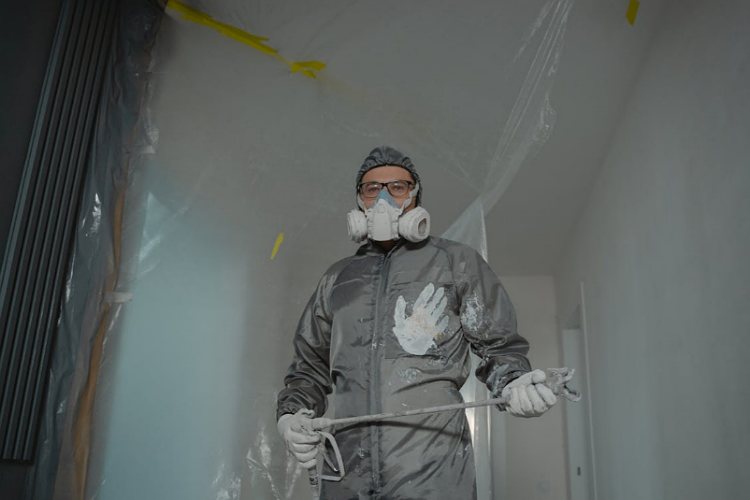
When damage affects more than one area of a home, restoration decisions begin to feel interconnected rather than isolated. A choice made in one room can influence timelines, access, and outcomes elsewhere. Homeowners quickly move beyond surface concerns and start thinking about how the house functions as a whole during recovery. At this stage, restoration becomes a matter of coordination, sequencing, and protecting what has not yet been touched.
Living in Orange County often heightens this awareness. Homes here tend to support active daily routines even during periods of disruption, which places pressure on restoration planning. Climate patterns, property expectations, and interconnected systems make it difficult to address damage in isolation. Homeowners find themselves weighing how restoration work unfolds across multiple areas while still keeping the home livable and stable.
Establishing Immediate Stability
The first major decision homeowners face involves identifying which affected areas require immediate stabilization. When damage spreads across rooms, not all areas pose the same level of risk at the same time. Some conditions may worsen quickly if left unattended, while others remain stable for longer periods. Determining this order on time helps prevent secondary damage that complicates the overall restoration process.
Professional restoration services provide the expertise and specialized equipment necessary to execute this stabilization efficiently, ensuring your home is returned to its original condition with minimal long-term impact.
Stabilization often involves understanding how systems and materials interact across the home. Moisture movement, structural stress, and air circulation can link areas that appear separate on the surface. In situations like this, coordinated planning becomes essential, and working with professionals like Orange County Restoration Services, Inc. allows homeowners to prioritize stabilization with a broader view of the home’s condition rather than reacting room by room. Their experienced team brings a careful, well-organized approach to restoration work, handling complex situations with precision while keeping the entire home’s long-term condition in mind.
Speed Under Pressure
Once restoration begins, the urge to move quickly becomes strong. Multiple affected areas create a sense that progress must happen everywhere at once. Homeowners may feel pressure to accelerate work to restore normalcy, especially when daily routines are disrupted.
At the same time, moving too quickly can introduce gaps in remediation. Incomplete drying, overlooked damage, or rushed repairs can surface later and require additional intervention. Careful pacing helps ensure that speed supports recovery rather than undermines it. Homeowners who recognize this balance tend to make steadier progress and avoid setbacks that extend timelines further.
Defining the Demolition Line
Deciding how much material to remove becomes more complex when damage spans connected structures. Walls, floors, and ceilings often share framing and systems that carry effects beyond a single visible area. Removing too little can leave compromised materials behind, while removing too much increases disruption and cost.
Homeowners must weigh how demolition choices affect adjacent spaces. The goal becomes removing what is necessary to restore integrity without creating new problems elsewhere. This decision often requires stepping back and evaluating how areas connect rather than focusing on each space independently.
Sequencing Without Setbacks
Restoration across multiple areas requires careful sequencing to avoid rework. Crews moving between spaces can unintentionally disrupt completed work if timing is not aligned. Flooring, drywall, and system repairs often depend on one another, making order essential.
Effective sequencing considers access, drying time, and system dependencies. Homeowners who plan this order early reduce the likelihood of repeated demolition or repairs. Coordinated sequencing supports smoother progress and allows each phase to build on the last rather than undo it.
Knowing When to Pause
During restoration, new damage or conditions may come to light once work is underway. Homeowners then face the decision of whether to continue as planned or pause to reassess. Pausing can feel counterproductive, especially when progress has already begun.
In reality, strategic pauses often protect the larger project. Tackling newly discovered issues proactively prevents them from spreading or complicating completed work. Homeowners who allow space for reassessment tend to preserve both quality and timeline, even if progress appears slower in the moment.
System-Level Evaluation
When multiple areas of a home are affected, shared systems often come under closer review. HVAC, plumbing, and electrical systems do not stop at room boundaries, and damage in one location can affect performance elsewhere. Homeowners begin asking whether these systems require targeted repair or broader attention to support full recovery.
Evaluating systems at a whole-home level helps prevent partial fixes that fail to address underlying issues. Air movement, water flow, and electrical continuity all influence how well restoration holds up over time.
Tracing Indirect Damage
Damage does not always remain contained to visible areas. Moisture, smoke, or structural stress can travel through walls, ceilings, and shared framing. Homeowners often realize that what appears localized may have wider implications once restoration work begins.
Tracing indirect damage requires looking beyond surface conditions. This step helps identify areas that may not yet show obvious signs but still require attention. Recognizing these connections supports more complete restoration and reduces the risk of future deterioration tied to overlooked conditions.
Temporary Versus Complete Solutions
Limited resources often force homeowners to consider temporary repairs alongside full restoration. When multiple areas are involved, deciding where to invest fully and where to apply interim solutions becomes a strategic choice rather than a compromise.
Temporary measures can stabilize conditions while allowing time for planning and budgeting. At the same time, homeowners must consider how these choices affect long-term recovery.
Coordinating Access
Restoring multiple areas at once requires careful coordination of access throughout the home. Crews need space to work, materials must move through shared pathways, and certain areas may need to remain clear for daily use. Without planning, access challenges can slow progress and increase disruption.
Evaluating access needs early allows homeowners to designate work zones and movement paths. This coordination helps crews operate efficiently while minimizing interference between tasks.
Living Through Restoration
If large portions of a home are affected, occupancy becomes a central concern. Homeowners must decide how to maintain daily routines while work progresses around them. This balancing act influences sequencing, scheduling, and the pace of restoration.
Planning restoration around occupancy focuses on safety, comfort, and continuity. Clear communication and staged work help preserve livability even during active repair.
Planning Beyond Repair
Restoration decisions often raise questions about future prevention. Homeowners begin considering whether returning the home to its prior condition is sufficient or whether changes should reduce the likelihood of repeat damage. This thinking shifts restoration from reactive repair to proactive planning.
Incorporating preventive measures supports long-term resilience. Adjustments made during restoration can strengthen systems and materials without expanding the project unnecessarily.
Homeowners benefit from thoughtful sequencing, system awareness, and long-term planning that support both recovery and daily living. By tackling interconnected decisions with patience, restoration efforts move forward in a way that protects the home and supports stability well beyond the immediate repair phase.

