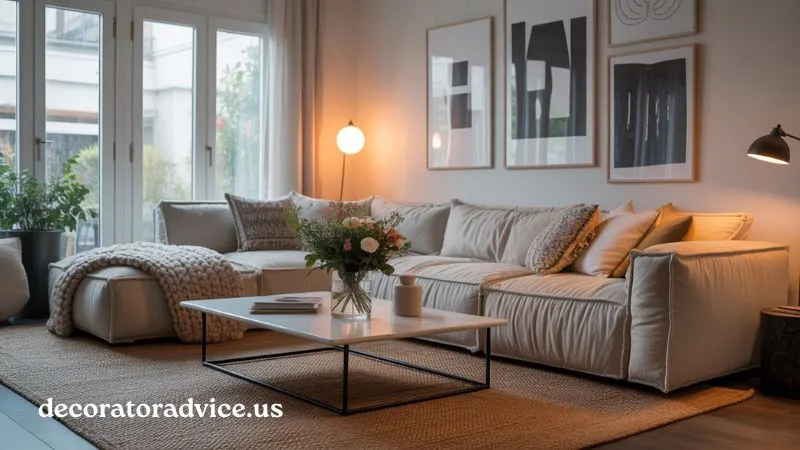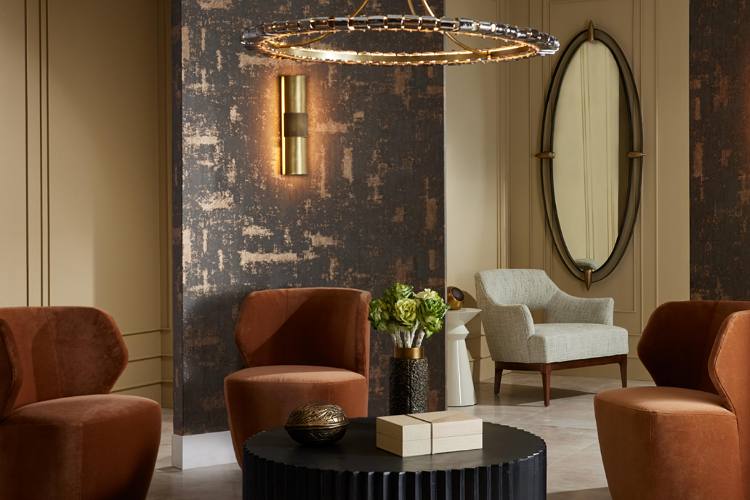
Lighting has a quiet way of shaping how a home feels. A room can have fine furniture, soft textiles, and thoughtful art, yet still feel flat when the light does not support the space. Good lighting helps people read, cook, talk, rest, and move through a home with ease. It also brings warmth to the pieces people choose with care. For homeowners who want design ideas that feel refined and livable, brands such as Arteriors show how lighting can work with furniture, wall décor, and accents to create a complete room.
Why Lighting Matters in Daily Life
A home needs more than one bright ceiling light in each room. People use rooms in many ways during the day, so the light should support those needs. Morning light may help a kitchen feel fresh and active. Softer light in the evening can help a living room feel calm. A warm lamp by a chair can turn a quiet corner into a place to read or unwind.
Lighting also affects how people feel in a space. Harsh light can make a room feel cold. Dim light in the wrong place can make simple tasks harder. A good plan gives each area the right amount of light for its purpose. It also helps a room feel balanced from day to night.
Start With the Purpose of the Room
Each room has its own rhythm. A kitchen needs clear light for prep, cooking, and cleaning. A dining room often needs a softer glow that supports meals and conversation. A bedroom should feel restful, with light that works for dressing, reading, and relaxing.
Before choosing fixtures, think about how the room works. Ask what tasks happen there, where people sit, and where shadows may fall. This simple step can guide every choice, from ceiling lights to lamps. It also helps avoid a room that looks nice in photos but feels hard to use.
Layer Light for Comfort and Depth
Layered lighting means using more than one type of light in the same room. This creates depth and gives people more control. Most rooms benefit from a mix of ambient, task, and accent lighting.
Ambient light gives the room its main glow. This may come from a chandelier, flush mount, pendant, or recessed lights. Task light supports a specific activity, such as reading, cooking, or working at a desk. Accent light draws attention to art, shelves, plants, or architectural details.
When these layers work together, a room feels more complete. The eye can move around the space with ease. Furniture, texture, and color become easier to notice. The room feels less flat and more welcoming.
Use Fixtures as Part of the Design
Lighting fixtures do more than brighten a room. They also act as design elements. A sculptural chandelier can become the center of a dining room. A pair of table lamps can add balance to a console or bedside table. A wall sconce can bring style and function to a hallway, bathroom, or reading nook.
The shape, finish, and scale of a fixture matter. A large open room can often handle a bold piece. A smaller room may need a lighter form that does not crowd the space. Metal, glass, stone, ceramic, and natural textures can each bring a different mood.
A fixture should feel connected to the rest of the room. It does not need to match every finish. It should speak the same design language. For example, a room with clean lines may suit a simple pendant with a strong shape. A room filled with warm wood and soft fabrics may feel right with a lamp that has texture or a natural tone.
Pay Attention to Scale and Placement
Scale can make or break a lighting choice. A pendant that is too small may look lost over a dining table. A chandelier that hangs too low can get in the way. Lamps that are too short may not give enough useful light.
Placement matters too. In a dining room, a fixture should center over the table, not always the room. In a living room, lamps should support seating areas. In a hallway, sconces can guide the eye and make the path feel more finished.
Think about how light spreads. A shade can soften light and send it up, down, or out. Clear glass may create more sparkle. Opaque materials can create a calmer glow. These details affect both the look and the comfort of the room.
Choose Warmth With Care
Light temperature changes the mood of a space. Warm light often feels soft and cozy. Cooler light can feel crisp and bright, which may work in some task areas. Many living spaces feel best with warm or soft white light, since it flatters skin tones, wood, fabric, and art.
Dimmers can help a room adapt. A bright setting may work during cleaning or hosting. A lower setting can make the same room feel calm at night. This flexibility helps a home feel more useful and more personal.
Let Lighting Support the Whole Room
A strong lighting plan should support the full design, not compete with it. Look at the furniture, rugs, art, and accessories in the room. Notice the shapes and materials that already appear. Then choose lighting that adds to that story.
For example, a room with curved chairs may feel balanced with a rounded pendant or lamp base. A space with bold art may benefit from simple fixtures that let the art stand out. A neutral room may gain interest from a fixture with texture, form, or a rich finish.
Good design often comes from small links between pieces. The finish of a lamp may echo a table base. A sconce may repeat a shape found in a mirror. These quiet connections make a room feel collected rather than random.
Make the Home Feel Good at Every Hour
Natural light changes across the day, so indoor lighting should fill the gaps. In the morning, sunlight may do most of the work. In the afternoon, shaded rooms may need support. At night, lamps, sconces, and overhead lights shape the full mood of the home.
Walk through the home in the evening and notice dark spots. Look for places where people read, gather, cook, or pass through. Add light where it helps comfort and ease. Small changes can have a large effect, especially in corners, entryways, and seating areas.
Final Thoughts
Lighting is one of the most useful tools in home design. It affects mood, comfort, safety, and style. It can make a simple room feel warm, and it can help special pieces stand out. The best lighting choices come from thinking about how people live in the home, then choosing fixtures that support that life with care.