
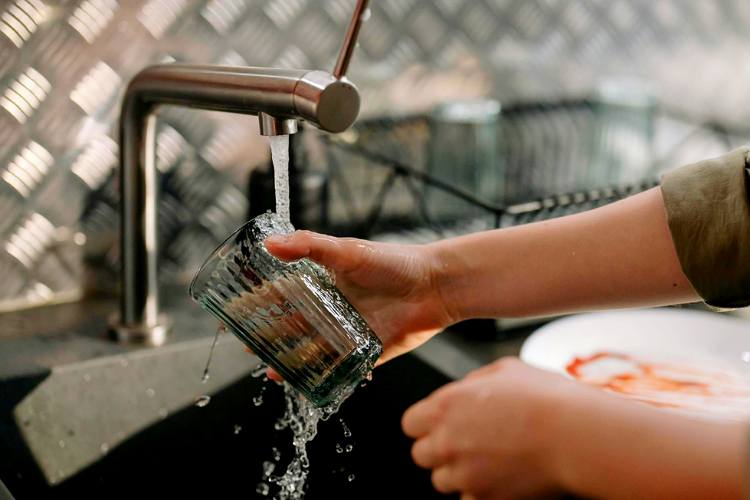
You turn off the tap, but that small doubt lingers for a second, wondering if it is fully closed or still dripping somewhere you cannot see. It sounds minor, but over time, those small moments add up, and not always in a good way.
People rarely think about water use until something goes wrong. A higher bill, a leak under the sink, or a tank that runs dry sooner than expected. Most of the time, the issue is not neglect. It is more about not having a clear view of what is actually happening behind the walls and pipes.
When Everyday Water Use Feels Invisible
Most homes run on water systems you never really see. Pipes sit behind walls, tanks stay quiet, and usage just happens without much thought. You turn the tap, it works, and that is usually enough. The problem is, nothing tells you what is being wasted along the way. A small leak can drag on for weeks, and a filter might fail without warning. It goes unnoticed until something forces attention. Smart water tools try to change that. They do not alter the flow itself, but they make it easier to see what is going on, so smaller issues are caught earlier.
Smarter Monitoring Without Constant Attention
There has been a gradual shift toward systems that do not require constant checking. Instead of manually inspecting pipes or guessing usage, many homes now rely on tools like Bluebot, which monitor conditions quietly in the background. These systems track flow, pressure, and sometimes quality, and then report changes when something feels off.
What stands out is not the complexity, but the subtlety. Alerts are sent only when needed. Data is stored, but not always overwhelming. It is more about having a layer of awareness that was not there before.
Small Changes That Add Up Over Time
One thing that becomes clear when these systems are in place is how uneven water use can be. Some days are heavy, others light, and certain habits stand out more than expected. Long showers, unnoticed leaks, or inefficient appliances begin to show up in the data.
It is not always comfortable to see. People tend to assume their usage is reasonable, but the numbers can tell a slightly different story. That is where small adjustments start to happen. Shorter use times, quicker repairs, or simple changes in routine.
These are not dramatic shifts. No one suddenly transforms how they use water overnight. But the awareness leads to gradual change, and that tends to stick better. Over months, the impact becomes noticeable, even if it was not obvious at first.
There is also a practical side to it. Reduced waste often means lower costs, which is a quiet motivator. Not the main one, but it helps keep attention on the system.
The Role of Automation in Daily Water Use
Automation has started to play a role, though not in a flashy way. Some systems can shut off water when a major leak is detected. Others adjust flow based on usage patterns or time of day. These features are often set up once and then left to run in the background.
It changes the relationship people have with their home systems. Instead of reacting to problems, there is a sense that some issues are being handled before they grow. That does not mean everything is perfect. False alerts can happen. Settings might need adjusting. It is not a set-and-forget solution in every case.
Still, the shift toward automation reduces the need for constant attention. It frees up time and lowers the risk of larger problems. Over time, that reliability becomes part of the appeal.
Data That Feels Useful, Not Overwhelming
There is always a risk that too much information can become noise. Early versions of smart systems often struggled with this. They provided data, but not always in a way that made sense. Recent improvements have focused on clarity. Instead of raw numbers, users are shown patterns, comparisons, and simple insights. For example, how today’s usage compares to last week, or which part of the house is using the most water.
This approach makes the data more usable. It does not require technical knowledge to understand. You see a spike, you investigate. You notice a steady increase, and you consider what might be causing it. It is not perfect. Sometimes the data feels too simplified, and deeper details are harder to access. But for most households, the balance works. Enough information to act, not so much that it becomes confusing.
Changing Habits Without Forcing Them
One of the more interesting effects of smart water technology is how it influences behavior without direct pressure. There are no strict rules being enforced. No penalties for overuse. Instead, there is a steady presence of information.
Over time, this information shapes decisions. People become more aware of when and how they use water. They start to notice patterns, even without constantly checking the system. It becomes part of their thinking, almost in the background.
This kind of change tends to be more durable. It does not rely on strict discipline. It grows from awareness and small adjustments. Not always consistent, but generally moving in a better direction. There are moments where old habits return. That is normal. The system does not eliminate that. It simply makes it easier to notice and correct.
A Gradual Shift in How Homes Are Managed
The broader shift is not just about technology, but about how homes are understood. Water systems were once treated as fixed utilities. They worked, or they did not. Now, they are becoming part of a more dynamic environment.
This change is still in progress. Not every home uses these systems. Not every system works smoothly. There are costs, learning curves, and occasional frustrations. But the direction is fairly clear. More visibility. More control. Less guesswork.
Over time, this approach may become standard. Not because it is trendy, but because it solves everyday problems in a practical way. Leaks are caught earlier. Usage becomes clearer. Decisions are made with better information. It does not make water management perfect. But it makes it a little less uncertain, which, in most homes, is a meaningful step forward.

