
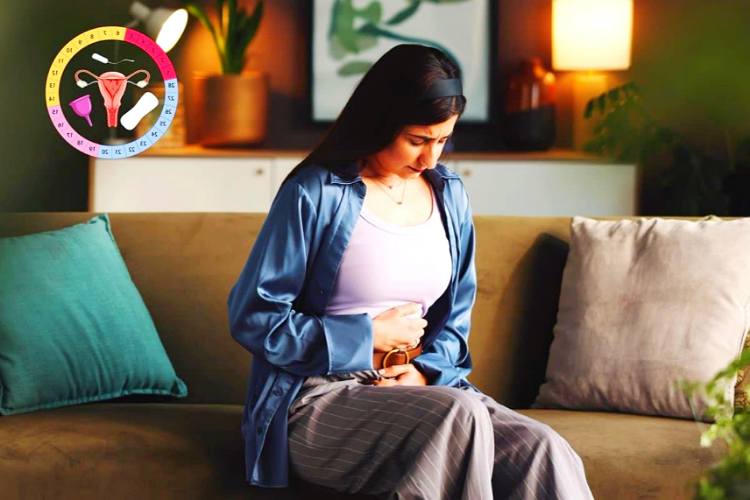
Modern self-care is no longer limited to skincare products, yoga mats, or relaxing corners with candles and plants. Today, many people are creating home environments that support physical and emotional wellness in a more practical way. One growing part of this movement is reproductive health awareness and cycle tracking.
As people pay more attention to hormone health, energy levels, and monthly body changes, tools like an ovulation tracker have become part of everyday wellness routines. Instead of treating cycle tracking as something only related to fertility planning, many now use it as a way to better understand their bodies and create healthier daily habits at home.
Why Cycle Awareness Is Becoming Part of Self-Care
Self-care spaces at home have evolved over the past few years. Previously, these spaces focused mostly on comfort and relaxation. Today, they often include wellness journals, fitness equipment, meditation areas, healthy meal-planning stations, and health-monitoring tools.
Cycle awareness naturally fits into this trend because it helps people understand patterns that affect everyday life. Hormonal changes throughout the month can influence energy, sleep quality, mood, appetite, concentration, and exercise performance.
Using an ovulation tracker allows people to notice these changes and adapt their routines accordingly. For example, some may schedule intense workouts on higher-energy days and choose lighter activities on lower-energy days. Others may adjust sleep routines or nutrition habits based on cycle phases. This approach turns self-care into something more personal and data-driven rather than following the same routine every day.
Creating a Home Environment That Supports Hormonal Wellness
Designing a wellness-focused home space does not require a major renovation. Small changes can help support healthier habits and create an environment that encourages body awareness. Many people create dedicated wellness corners that include journals, planners, water reminders, vitamins, and health apps. These simple setups make daily routines easier to maintain.
Lighting also plays an important role. Natural light exposure supports healthy daily rhythms and may positively influence sleep patterns, which are closely connected to hormone balance. Soft evening lighting and reduced screen exposure can help create better rest habits.
Comfort is another factor. Relaxation areas with calming colors, comfortable seating, or quiet reading spaces can help reduce stress levels. Lower stress may support overall well-being and make it easier to stay consistent with self-care routines.
Technology Is Changing Personal Wellness at Home
Technology has become a major part of home wellness spaces. Fitness watches, sleep trackers, smart scales, and wellness apps are now common tools in everyday routines.
Cycle tracking technology follows the same direction. Digital platforms make it easier to monitor patterns and organize health information without adding complexity to daily life. For many users, cycle tracking is less about prediction and more about awareness. Tracking symptoms, energy changes, sleep quality, or emotional shifts can provide useful insights over time.
This information may help people make more informed decisions about lifestyle habits, work schedules, exercise intensity, and rest periods. The modern wellness space is becoming more personalized because people no longer want general advice. They want solutions that fit their own bodies and routines. Home environments are adapting to this shift by combining comfort with practical wellness tools.
The Future of Self-Care Is Personal and Preventive
The idea of self-care continues to change. It is moving away from occasional relaxation activities and becoming part of everyday living. Modern home wellness spaces are now designed around prevention, awareness, and consistency. People want routines that help them stay connected with their physical and emotional health every day.
Cycle tracking fits naturally into this approach because it encourages observation and understanding rather than guesswork. Simple habits such as keeping a wellness journal, maintaining healthy sleep routines, organizing calming spaces, and following cycle patterns can work together as part of a complete self-care system.
As home wellness trends continue to grow, reproductive health awareness will likely become a larger part of the conversation. More people are recognizing that understanding body patterns is not separate from self-care, it is an important part of it. The modern self-care space is no longer only about appearance or comfort. It is increasingly focused on supporting long-term well-being, and cycle awareness is becoming one of the tools helping people build healthier routines at home.

